Perspectives on AI adoption, digital strategy, board advisory, and the kind of leadership that actually changes organisations. Written for founders, operators, and board directors.
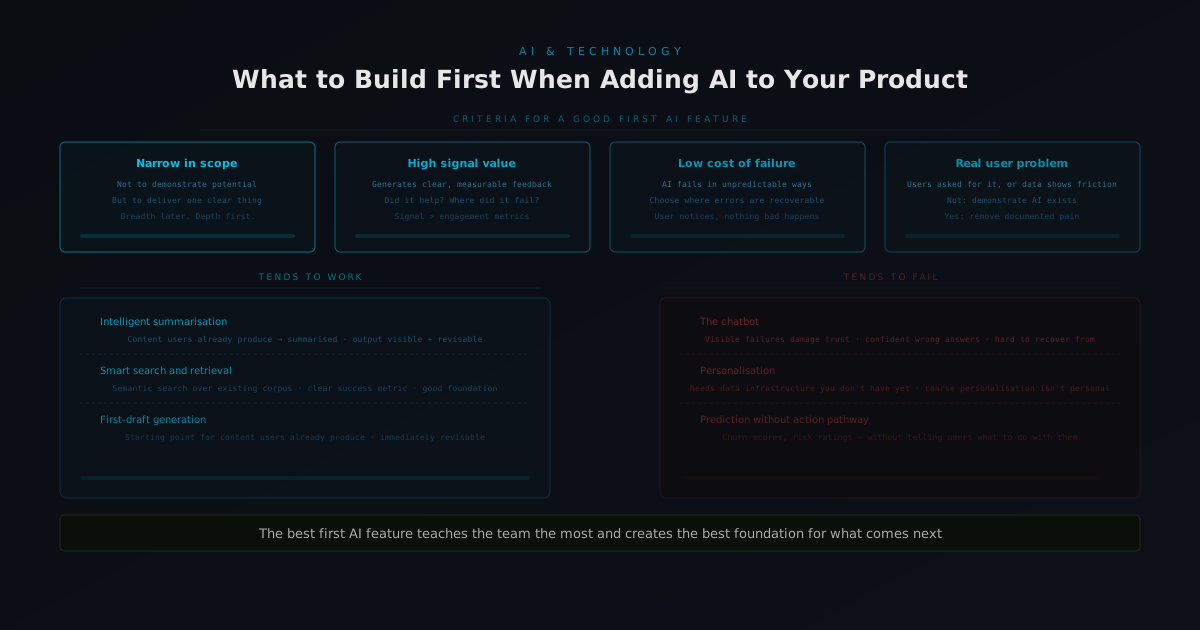
The first AI feature you add to a product shapes the expectations, the architecture, and the team’s understanding of what AI is for. Choose carefully.
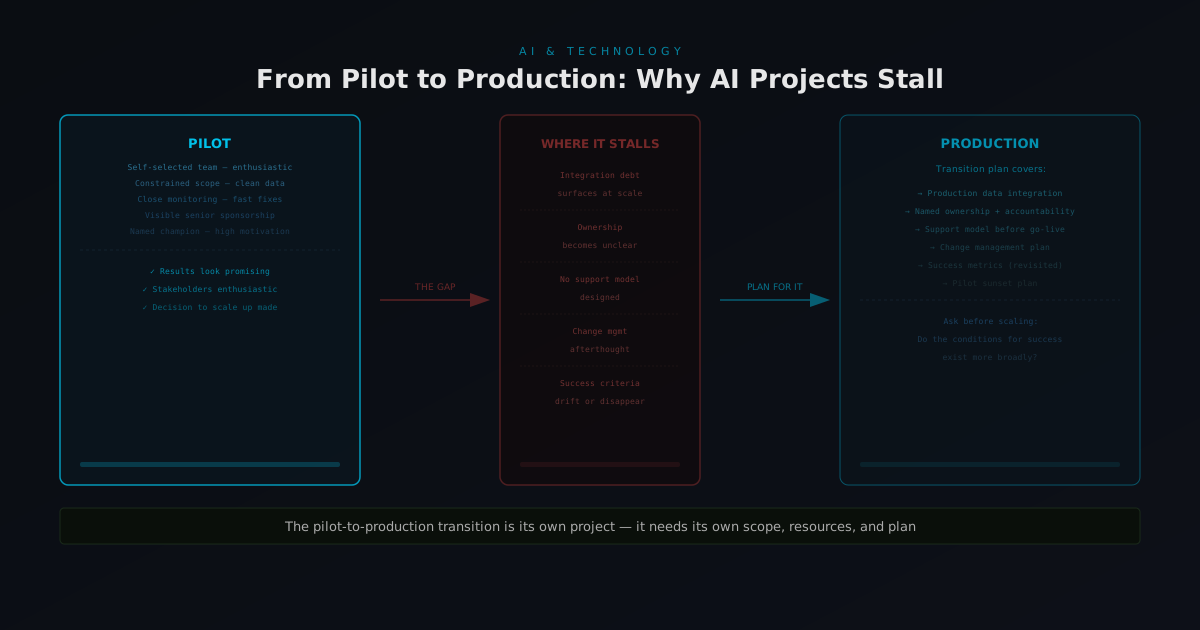
Most organisations can run an AI pilot. Far fewer can take one into production. The gap is predictable — and fixable.
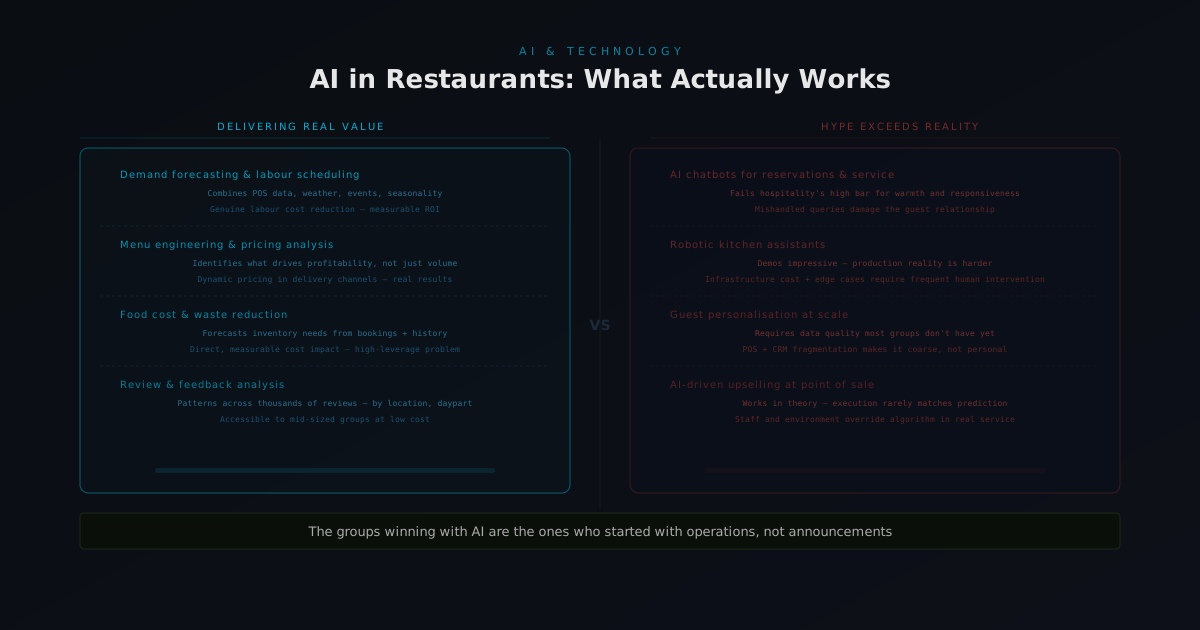
Hospitality has more real AI use cases than most industries — and more ways to get it wrong. Here’s what’s delivering results and what’s just noise.
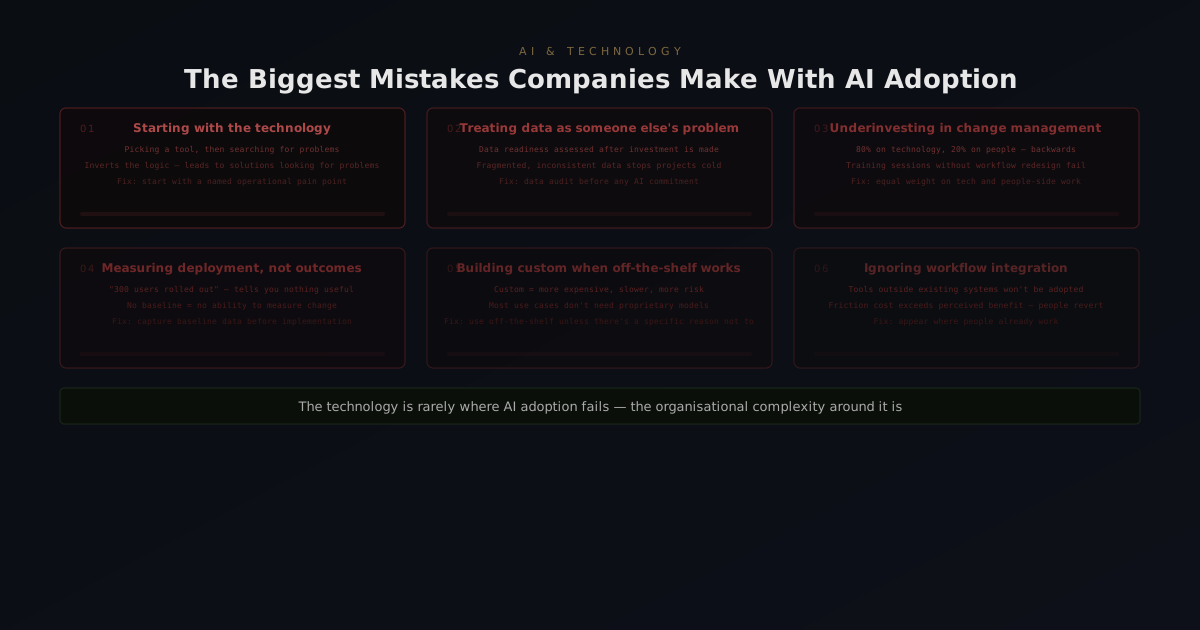
After watching dozens of AI implementations, the failure modes are remarkably consistent. Here’s what to avoid — and what to do instead.
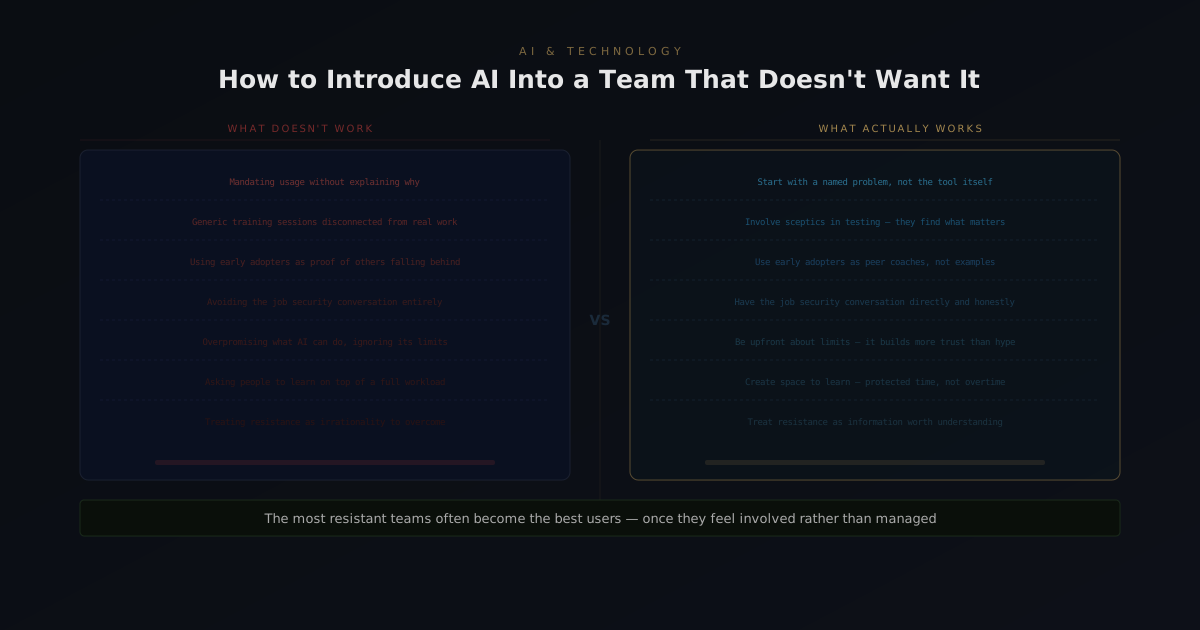
Resistance to AI in the workplace is normal and often rational. Here’s how to work with it rather than against it — and what makes adoption actually stick.
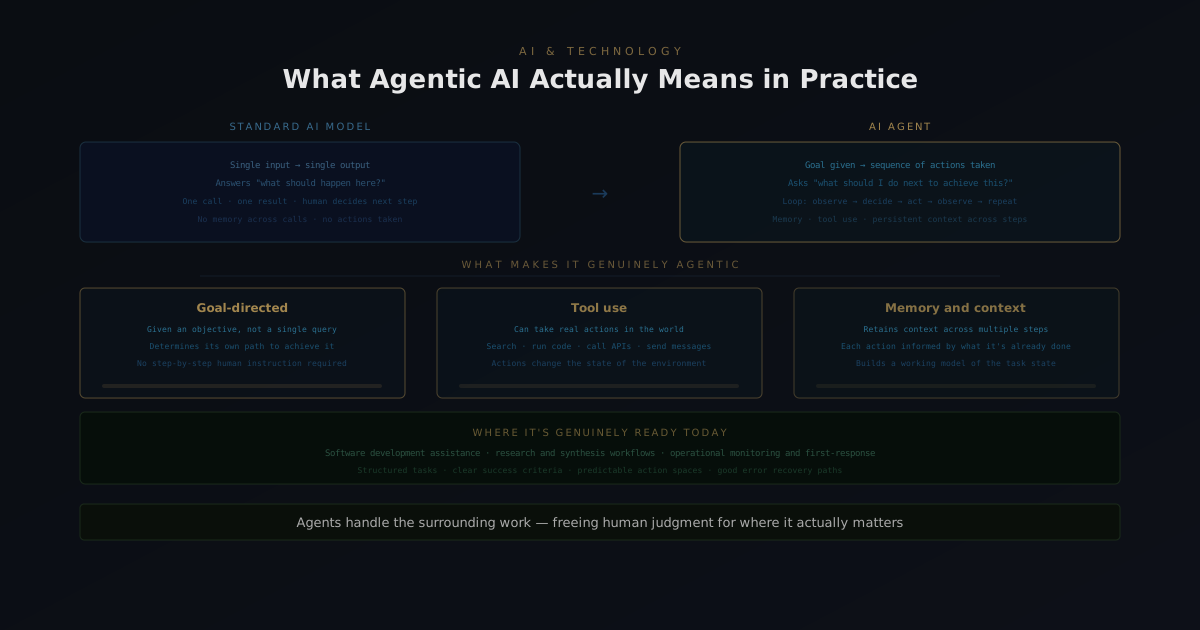
Agentic AI is one of the most discussed and least understood concepts in enterprise AI. Here’s what it actually means — and what it means for how businesses operate.
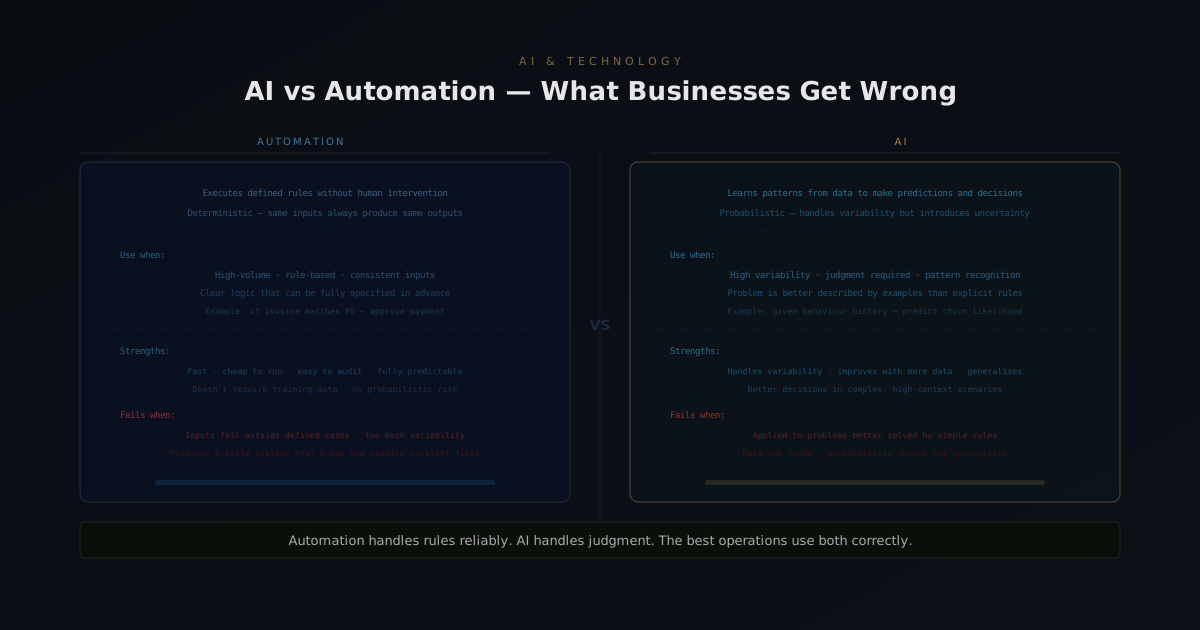
Most businesses are confusing AI with automation. They’re related but different. Getting the distinction right changes what you build and where you invest.
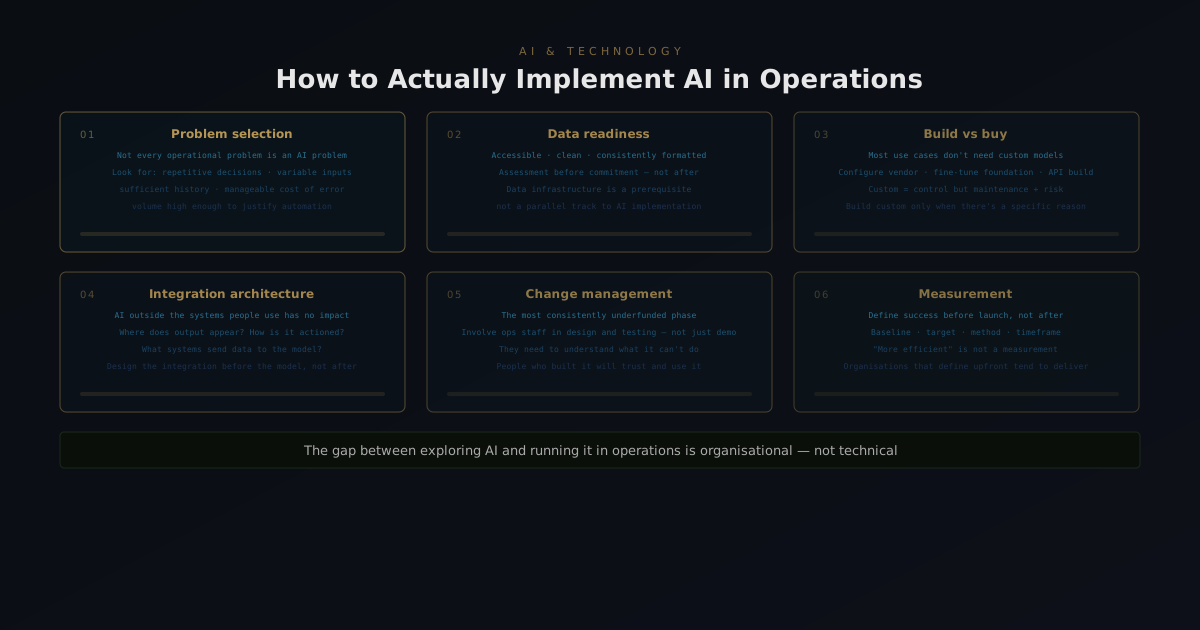
There’s a wide gap between ‘exploring AI’ and having AI running in your operations. Here’s what the gap actually consists of — and how to close it.
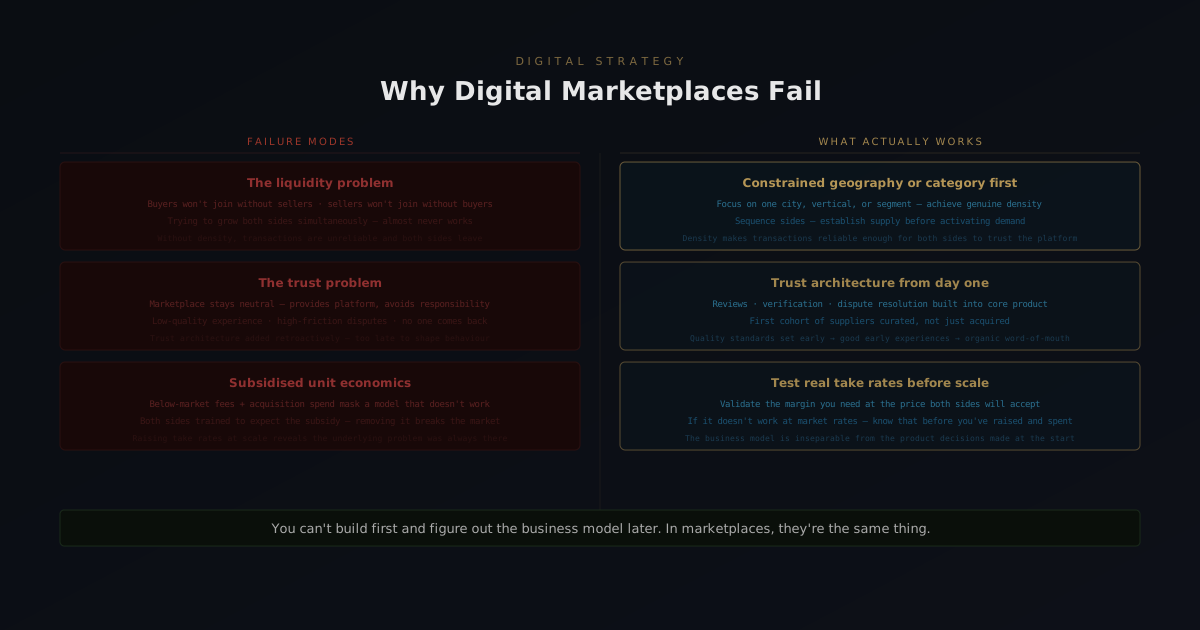
Marketplaces look simple. They’re not. Here are the failure modes that catch founders off-guard — and how to design against them from the start.
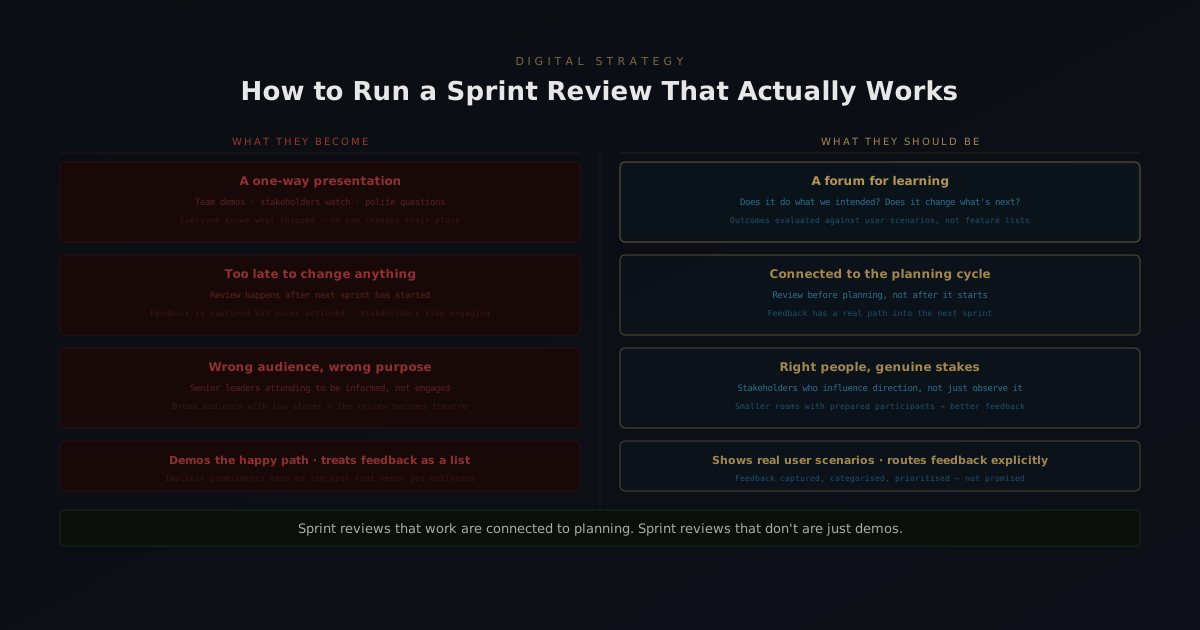
Most sprint reviews are status updates in disguise. Here’s how to run them so they generate real feedback, real decisions, and real momentum.
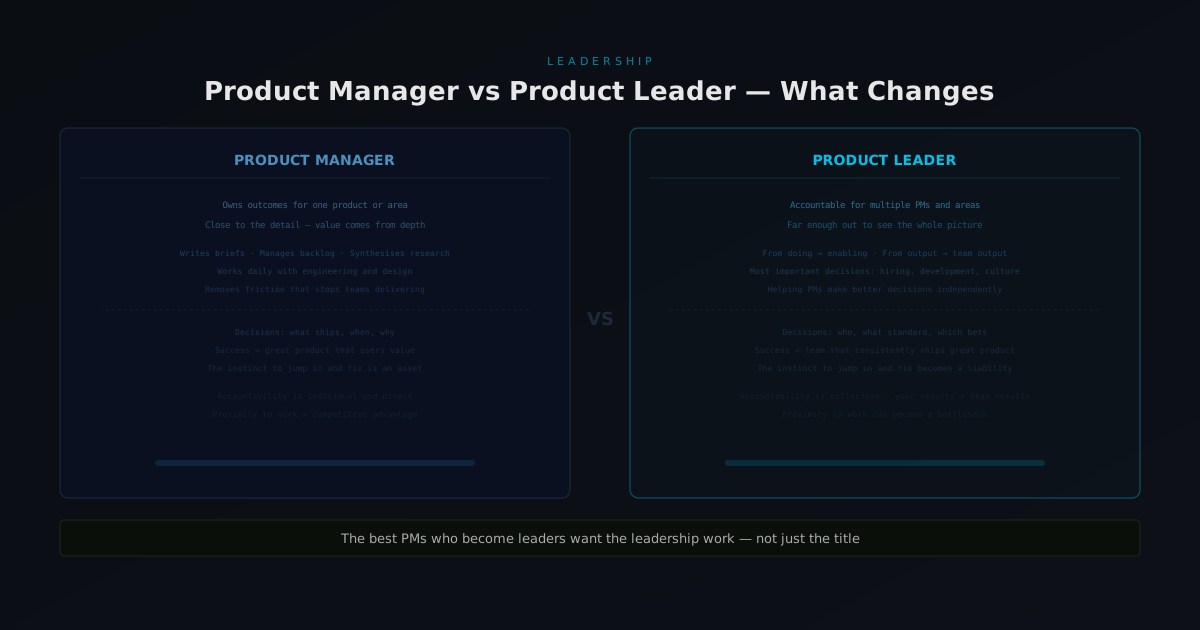
The gap between managing a product and leading a product function is larger than most organisations realise. Here’s how to tell the difference.
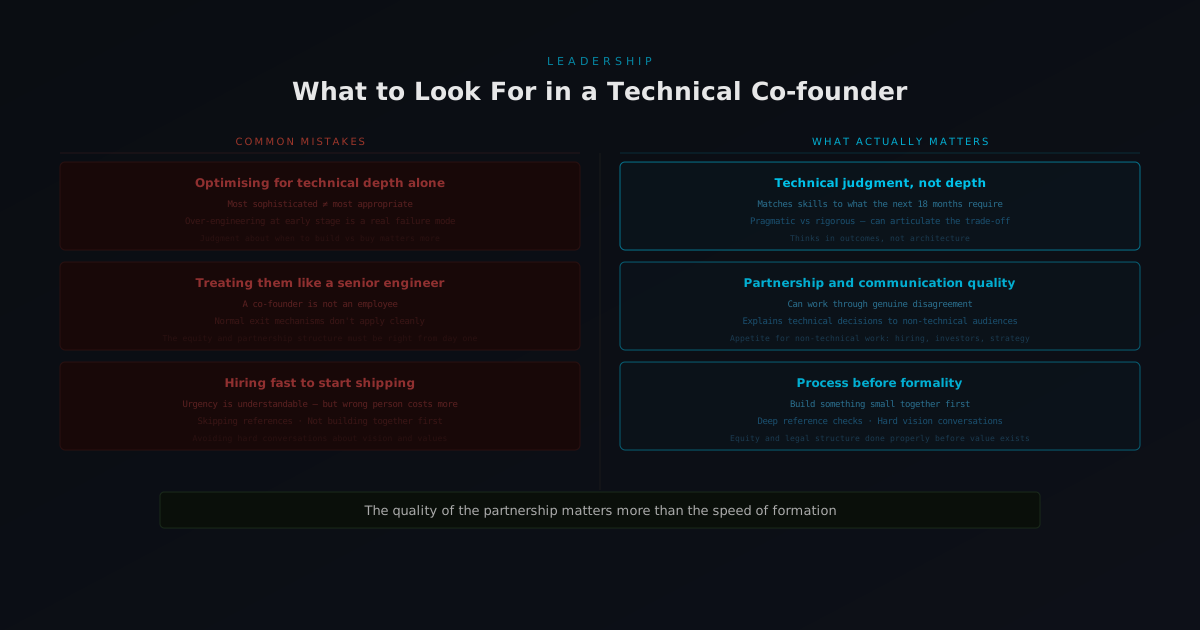
Finding a technical co-founder is one of the most consequential decisions an early-stage founder makes. Here’s what to look for — and what to avoid.
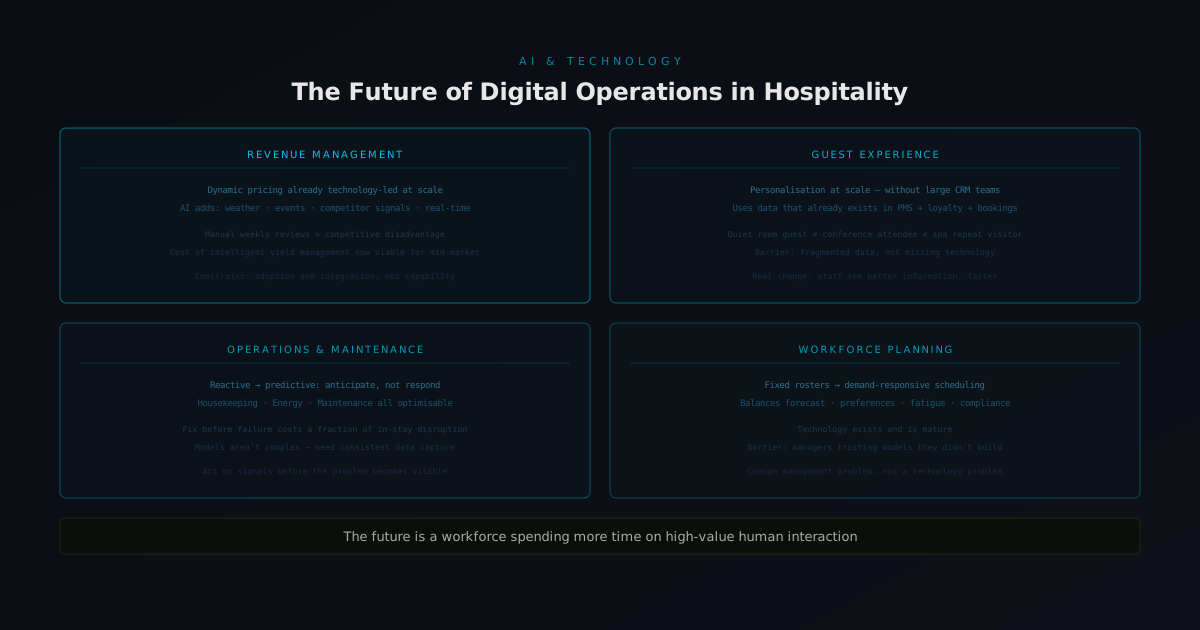
Hospitality is further along the AI adoption curve than most industries realise. Here’s where the operational gains are — and where the risks lie.
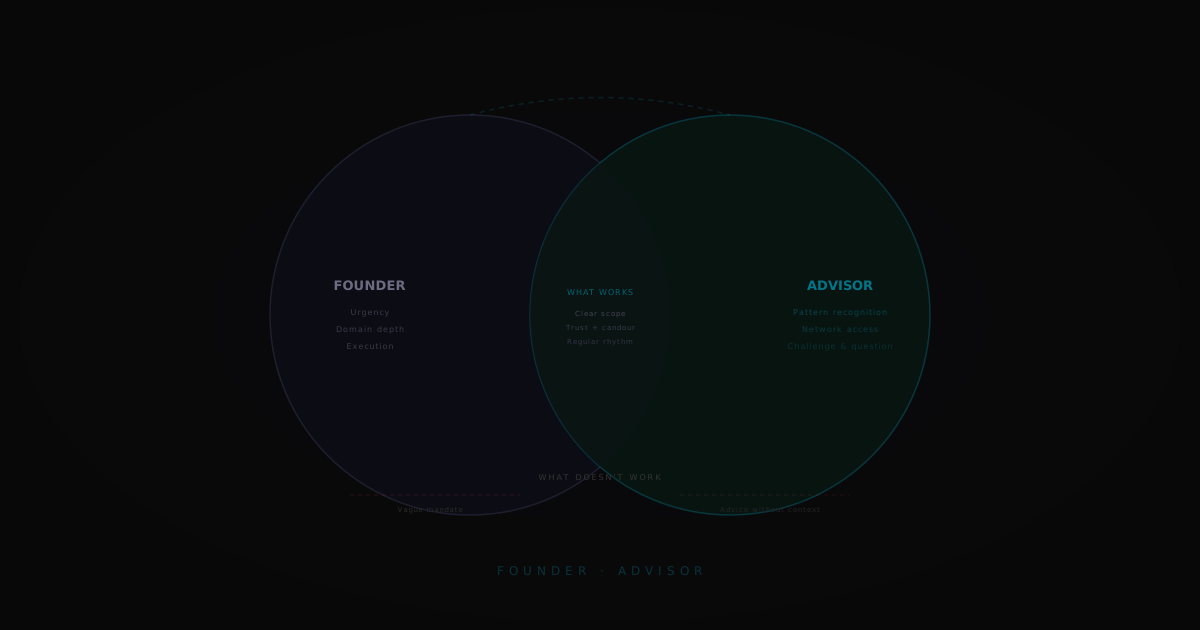
Most founder-advisor relationships fail quietly. The advisor drifts. The founder stops calling. Here’s what makes the relationship actually work — and what kills it.
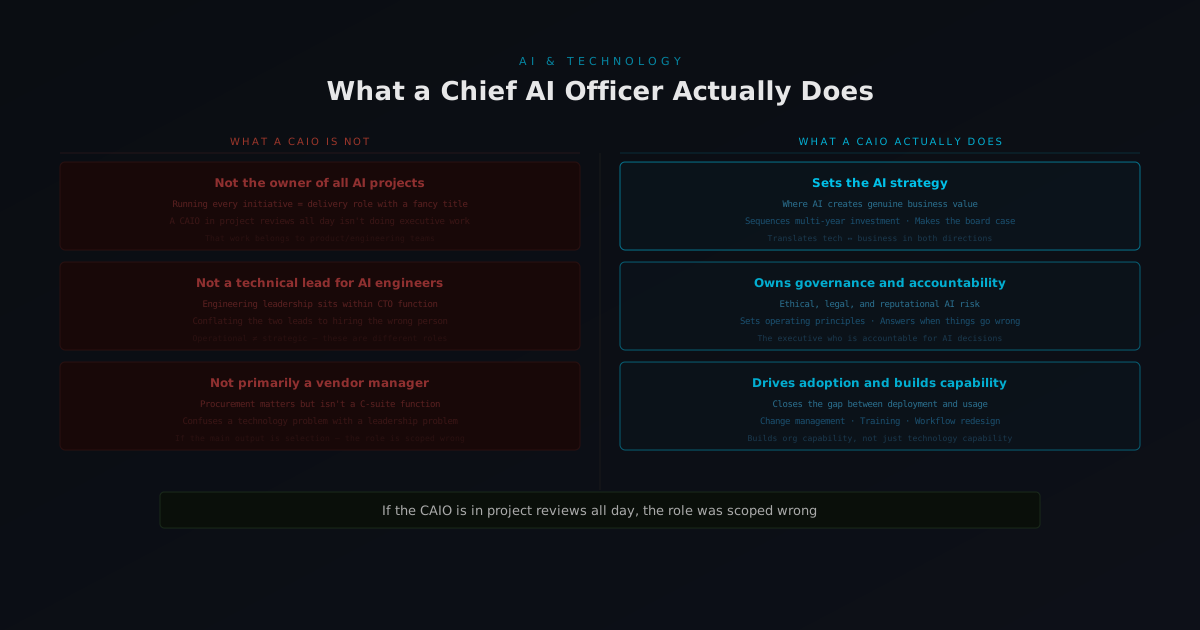
The Chief AI Officer title is spreading fast. But the role varies wildly. Here’s what it should actually look like — and whether you need one.
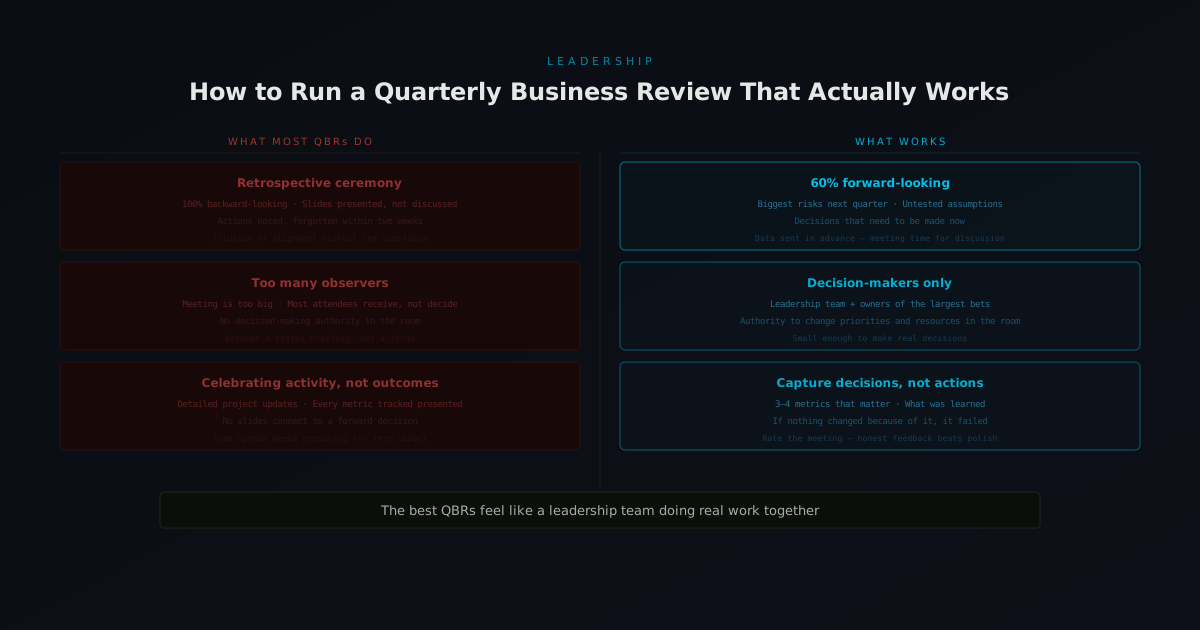
Most QBRs are performance theatre. Here’s how to run one that actually improves decision-making and creates accountability.
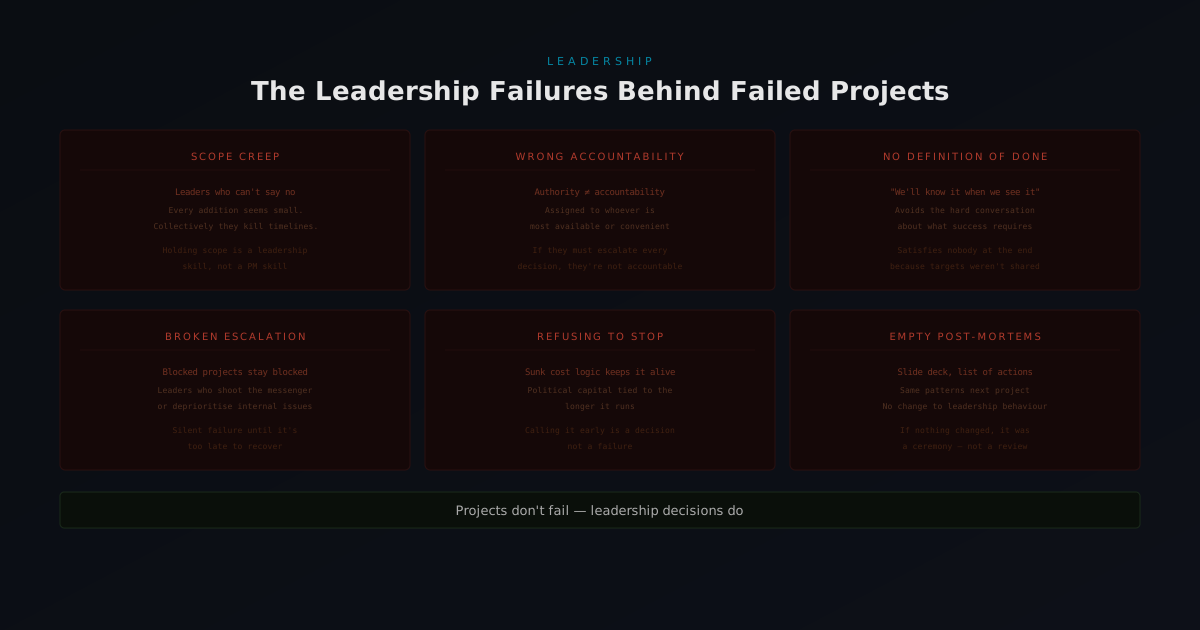
Most digital project failures aren’t technology failures. They’re leadership failures in disguise. Here’s where they usually go wrong.
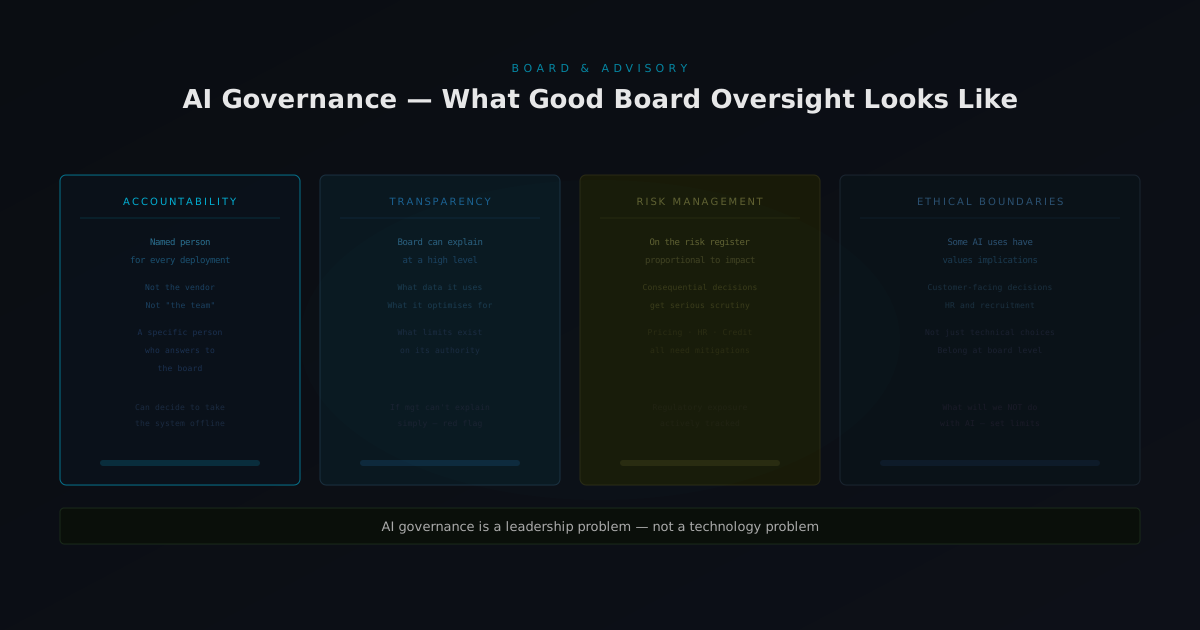
AI governance is becoming a board responsibility. Most boards aren’t ready for it. Here’s what good governance actually looks like in practice.
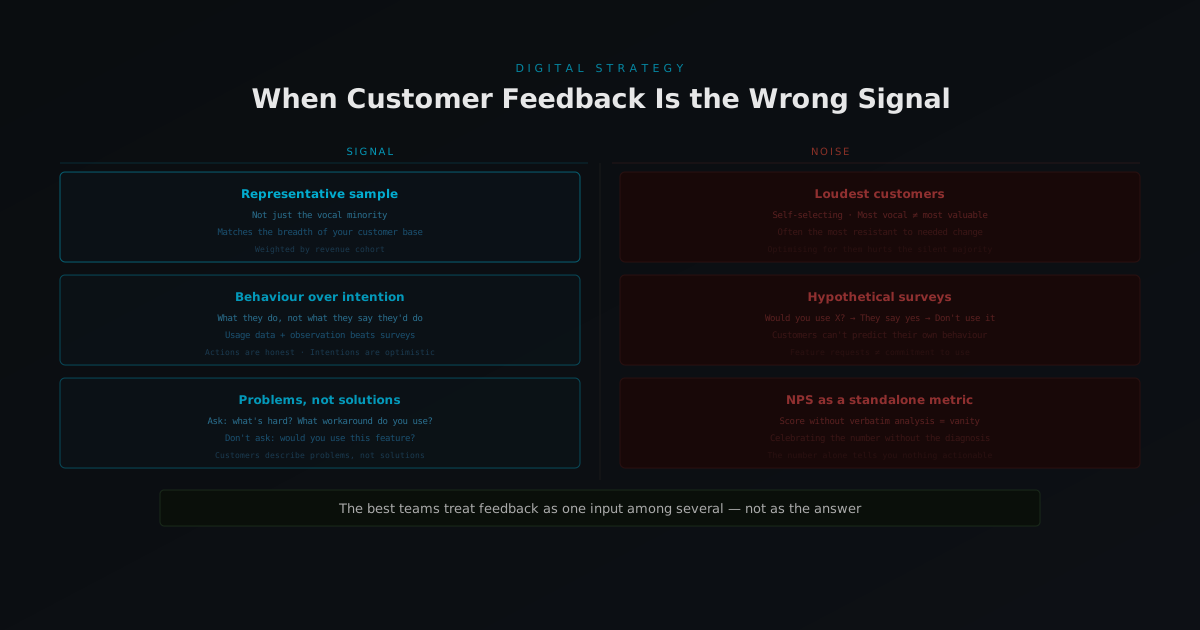
Customer feedback is essential — but it’s also one of the easiest inputs to misread. Here’s when to listen, when to discount, and what to look for instead.
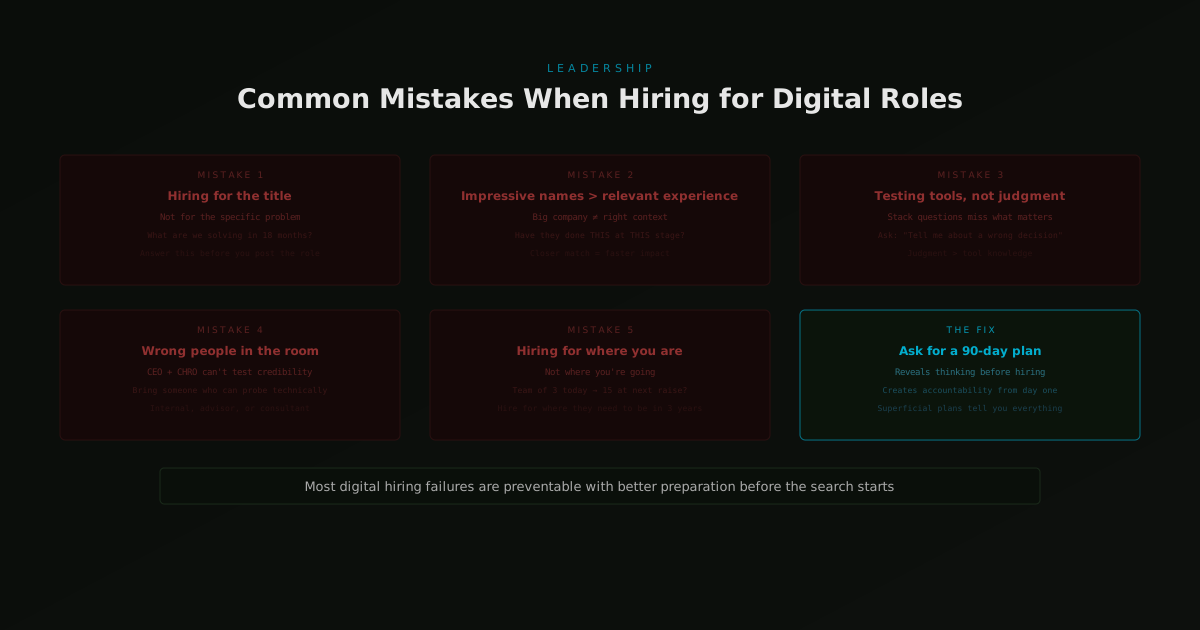
Digital roles are hard to hire for if you don’t know what you’re actually buying. Here are the mistakes that cost companies the most.
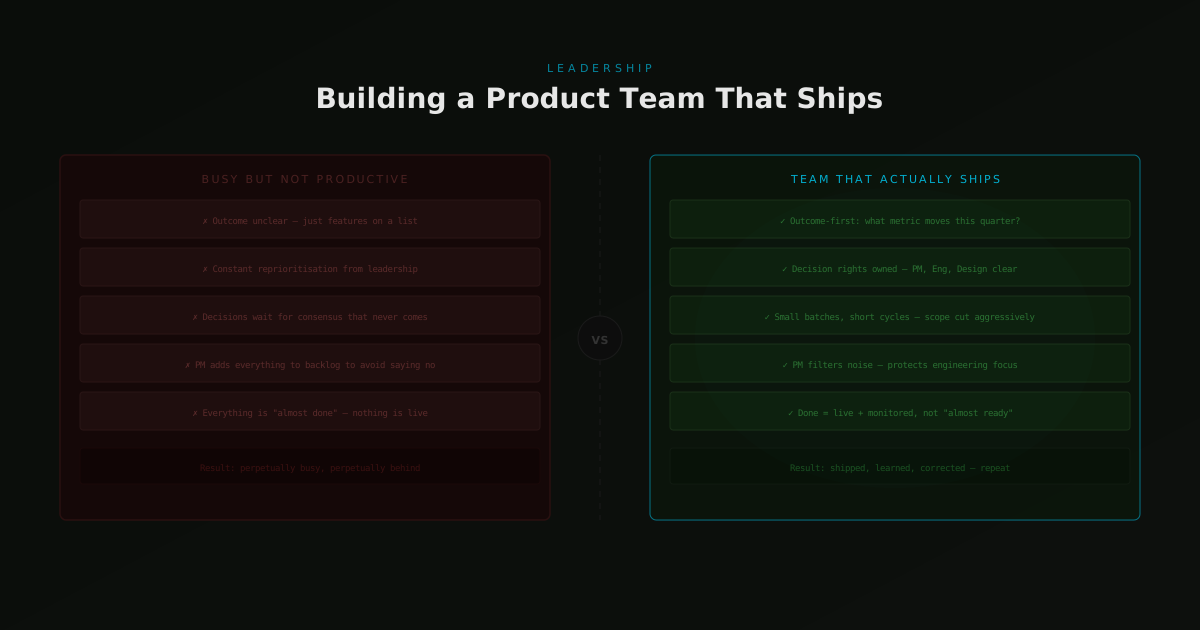
Most product teams are better at planning than shipping. Here's what the ones that consistently deliver actually do differently.
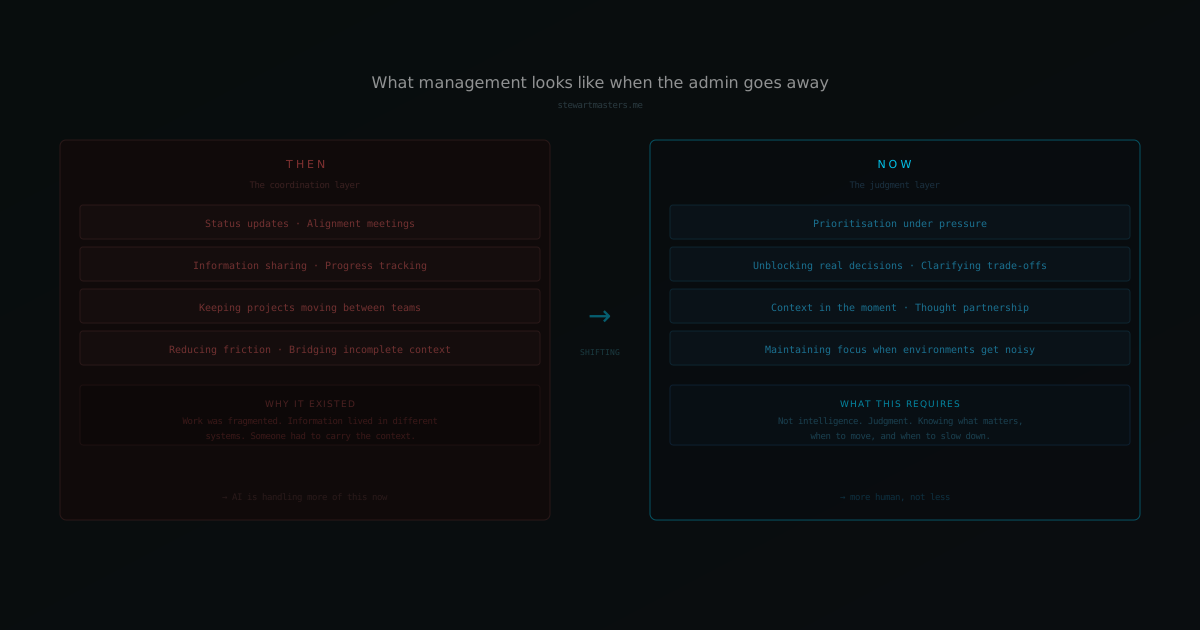
Something is changing inside management conversations. The coordination layer is shrinking. What's left is more human, not less.
Something is changing inside management conversations. The coordination layer is shrinking. What's left is more human, not less.
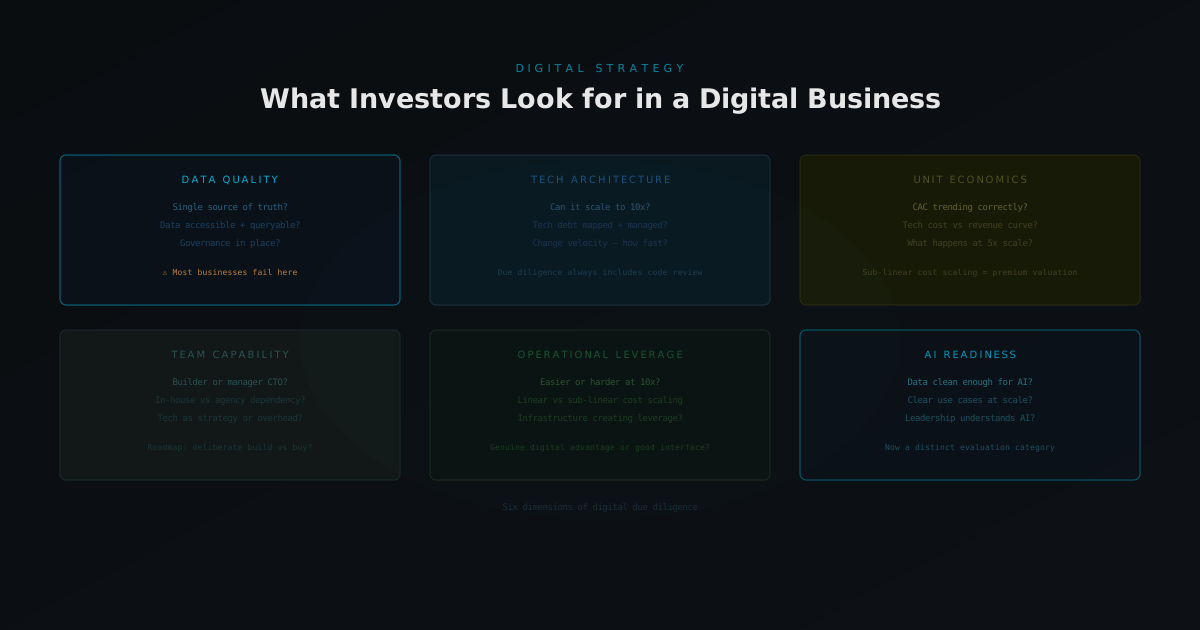
Investors don't just evaluate products and markets. They evaluate the systems and teams behind them. Here's what they're really looking for.
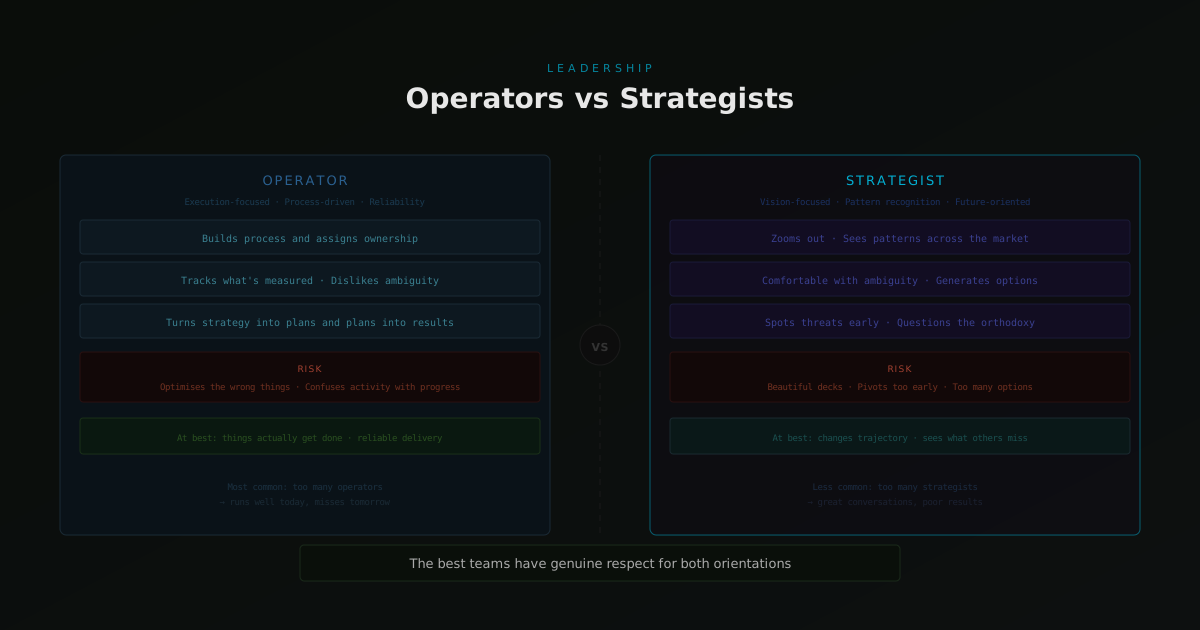
Strategy and execution require different orientations. The best leaders can do both — but most organisations don't understand the distinction.
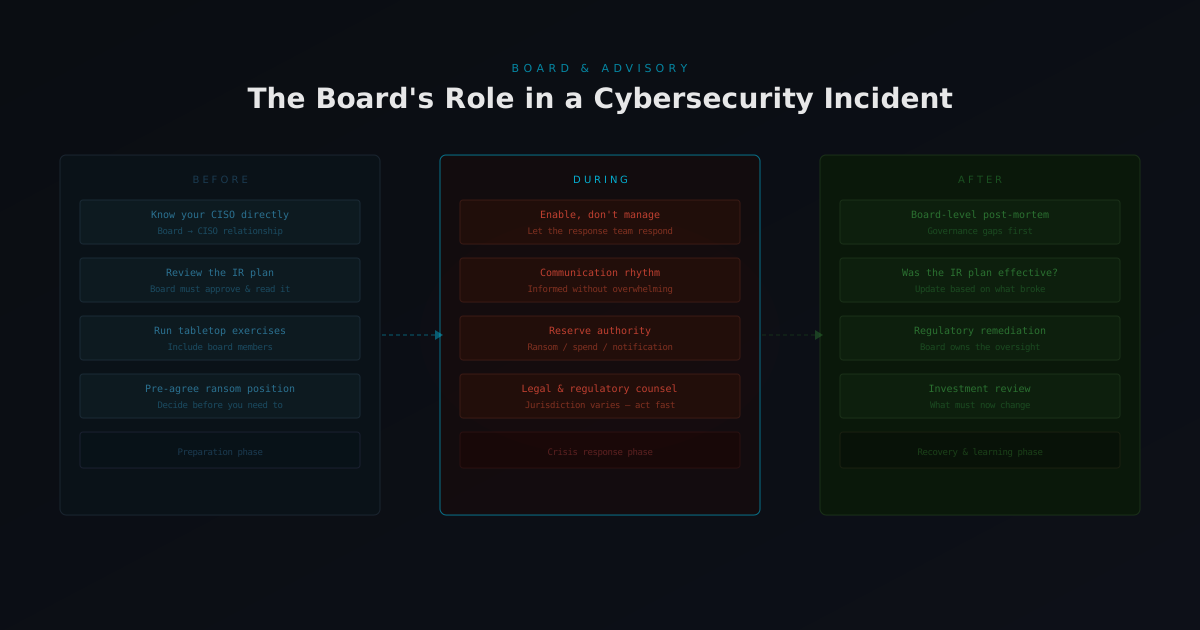
A cybersecurity incident is a board-level event. Most boards aren't ready. Here's what governance looks like before, during, and after.
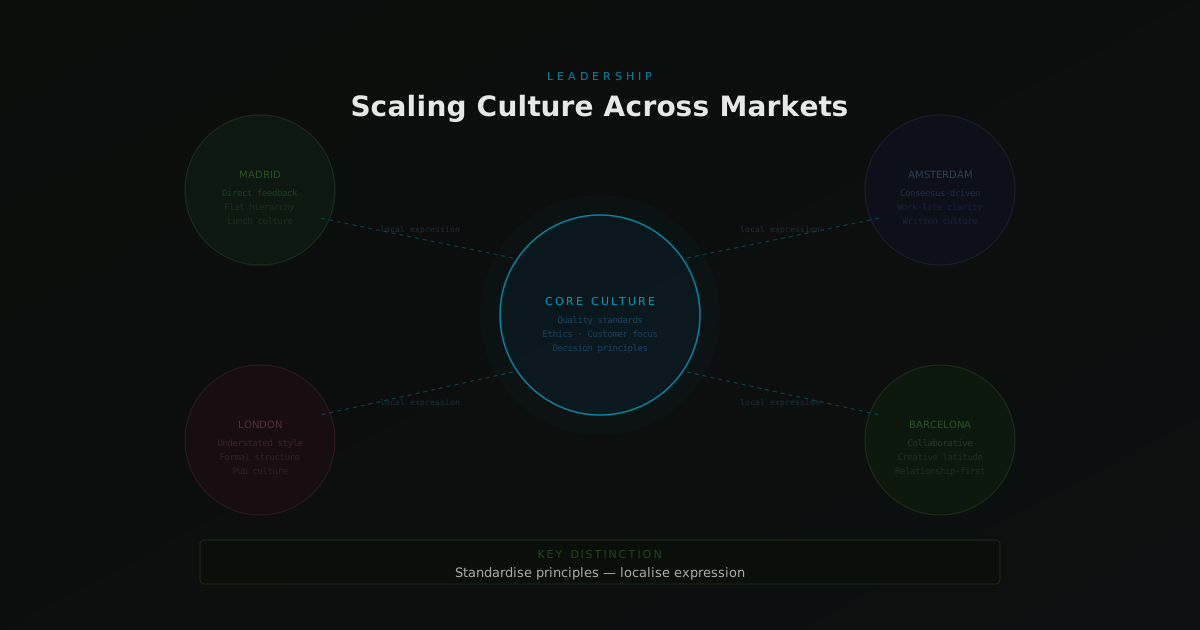
Culture doesn't scale automatically. What works in one market can break in another. Here's how to maintain coherence without imposing uniformity.
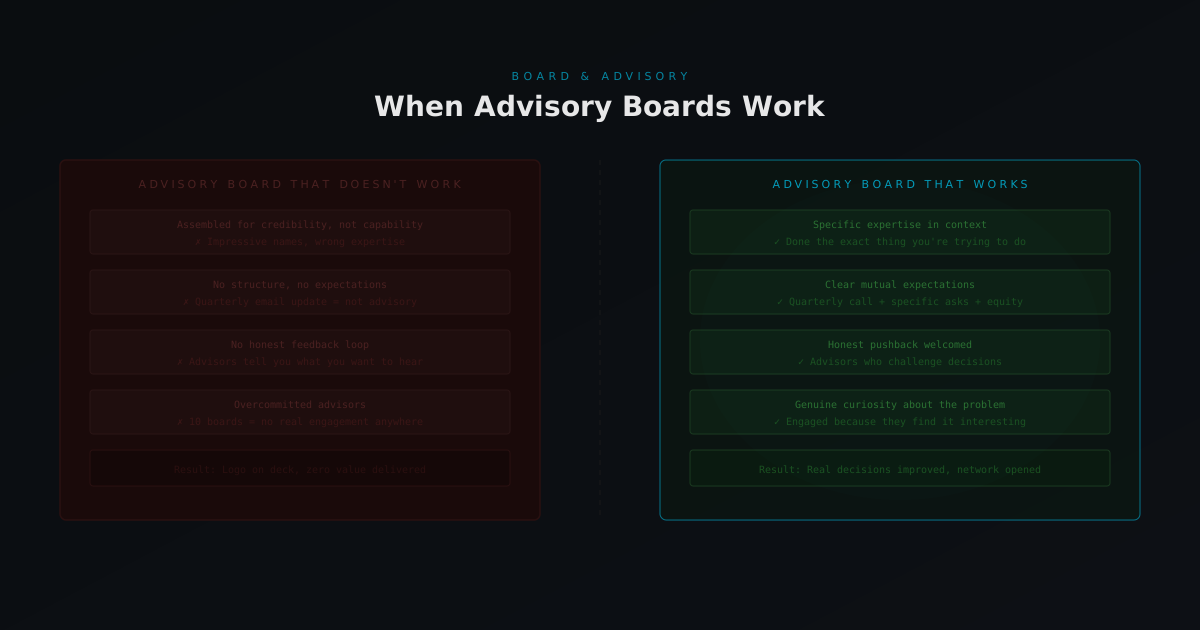
Most advisory boards are a list of names on a deck. Here's what separates the ones that actually generate value from the ones that don't.
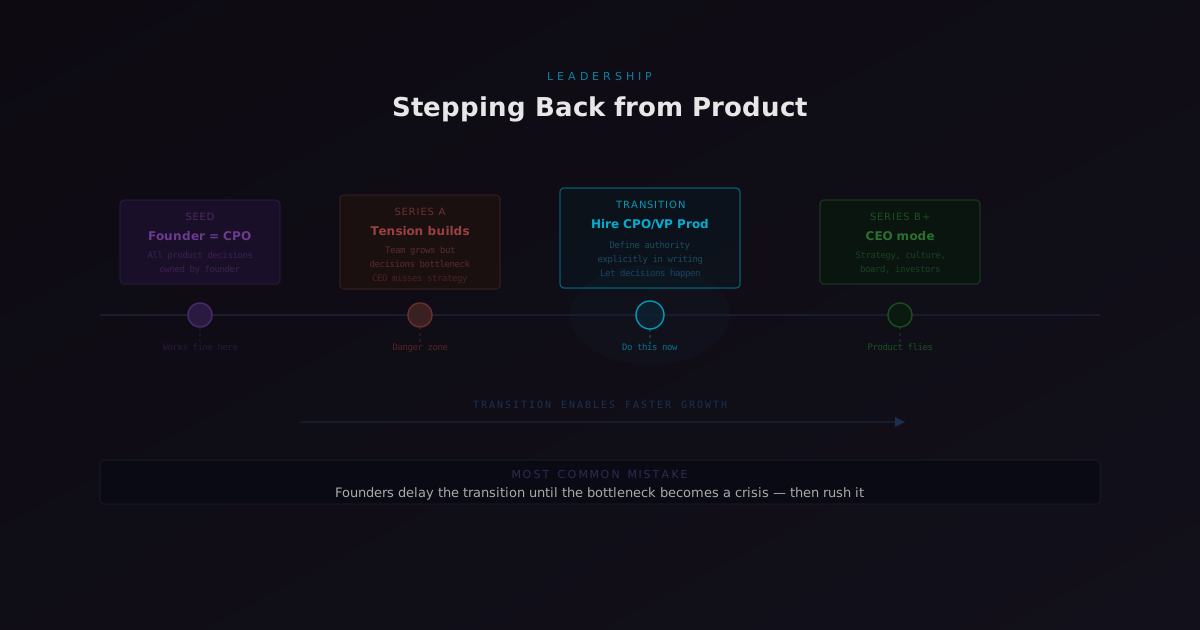
At some point, every founder has to stop being the de facto CPO. Most do it too late and too badly. Here's how to do it right.
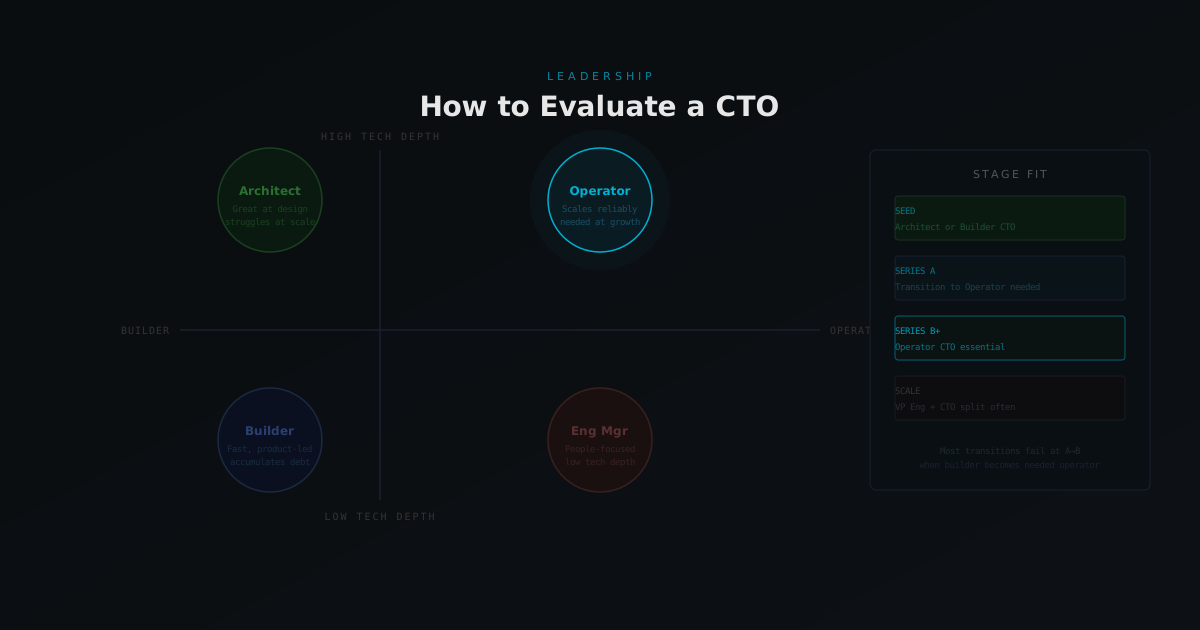
A CTO who built the first version of your product may not be the right person to scale it. Here's how to assess whether you have the right one.
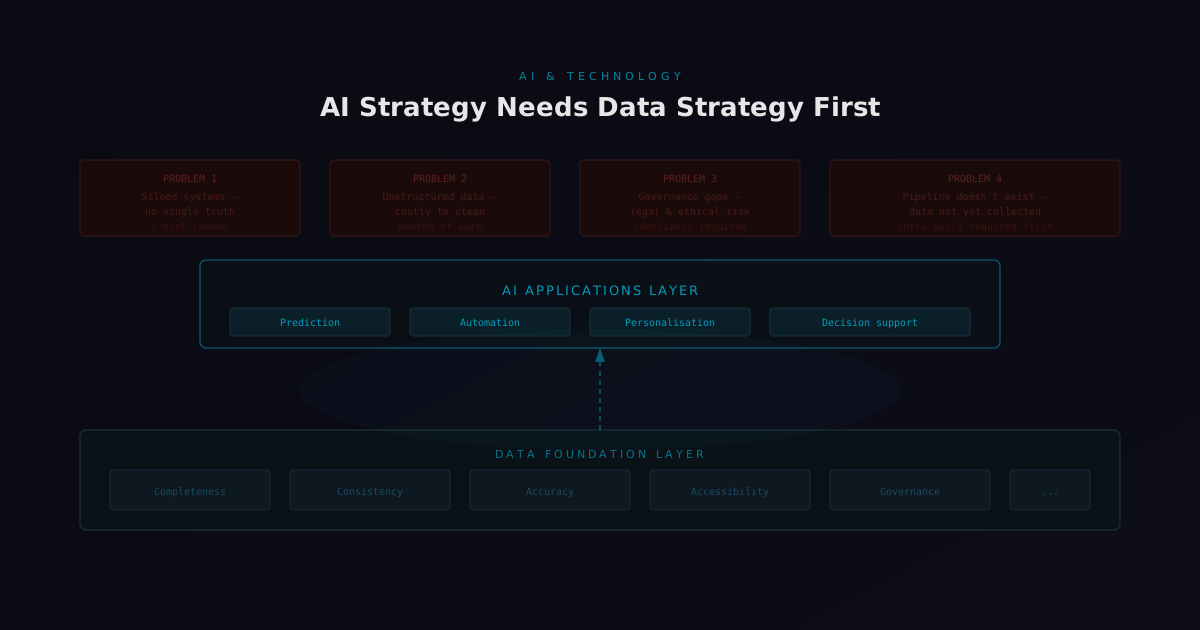
Most AI projects fail not because of the model — but because the data isn't ready. Here's why you need the data strategy before the AI strategy.
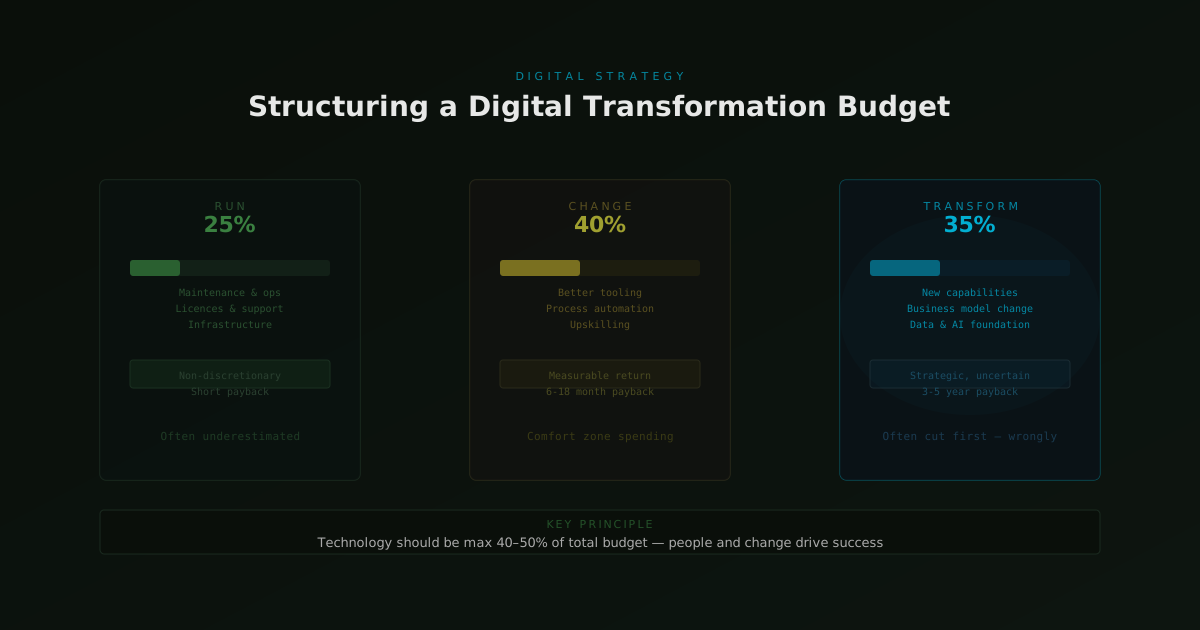
Most digital transformation budgets are built around tools and projects, not outcomes. Here's how to structure one that actually reflects how change happens.
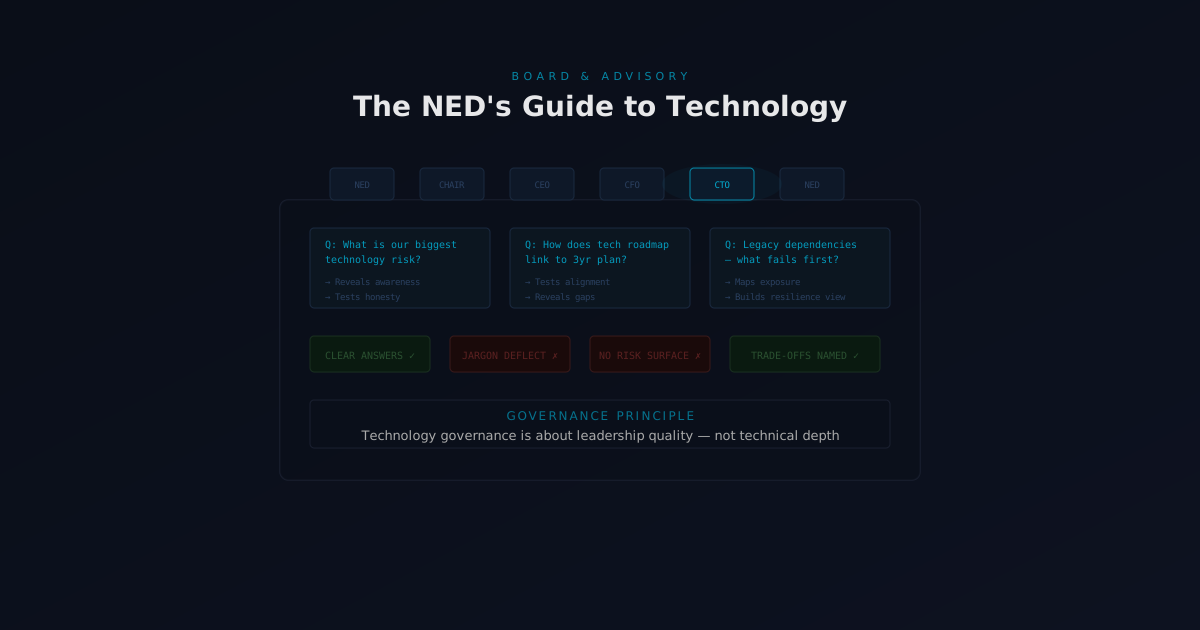
You don't need to be a technologist to be an effective NED on a tech-led business. But you do need to know what to look for.
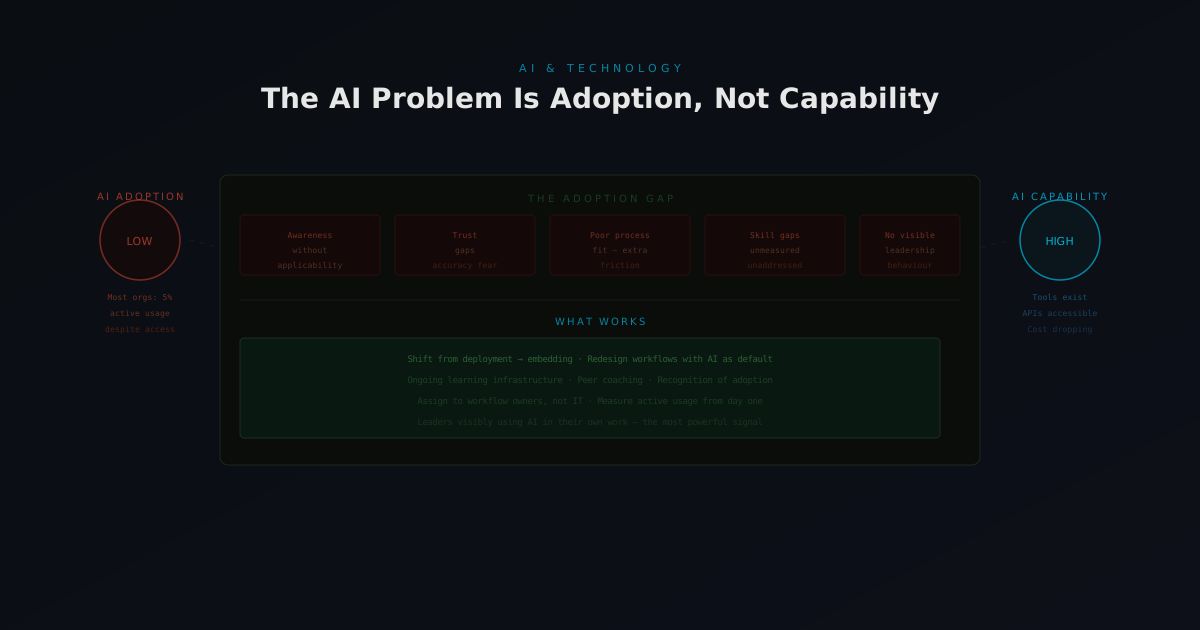
The tools are good enough. The bottleneck is people, process, and organisational readiness. Here's why most AI implementations stall at adoption.
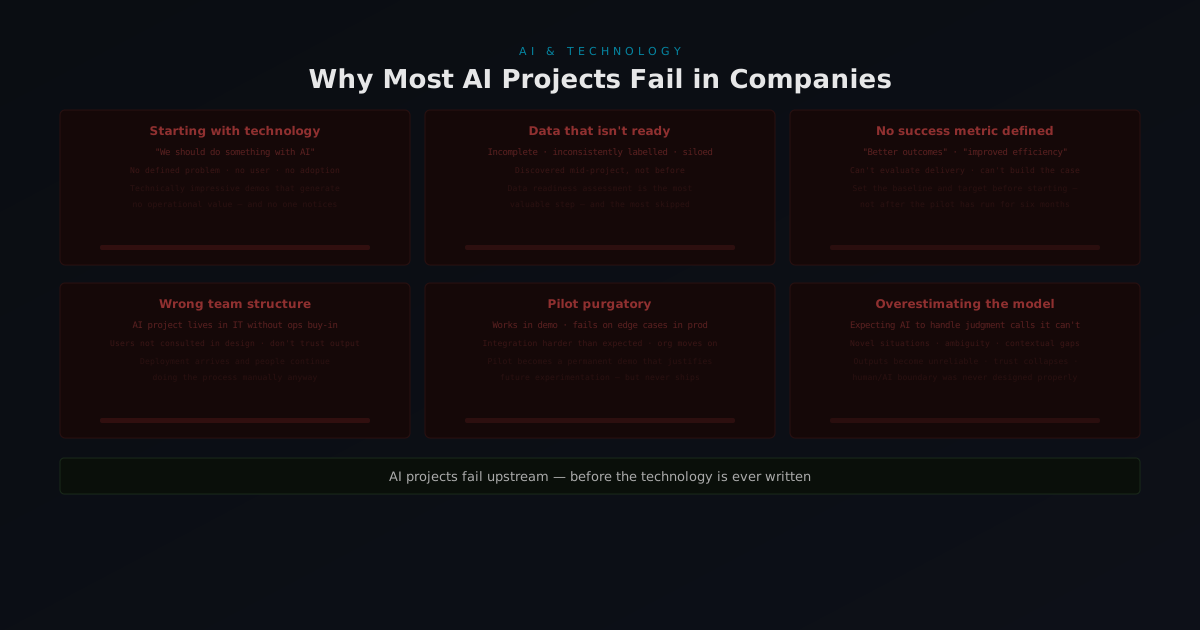
Most AI projects don't fail because the technology doesn't work. They fail because of decisions made before a single line of code is written.
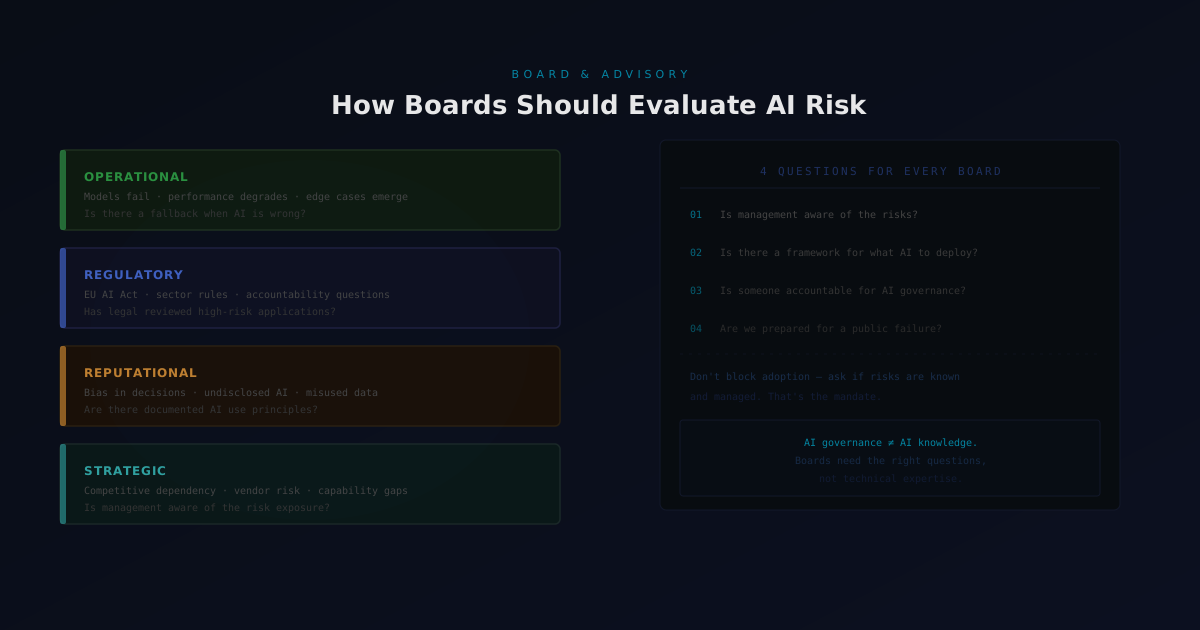
Boards are being asked to govern AI without the frameworks to do it. Here's a practical approach to evaluating AI risk at board level.
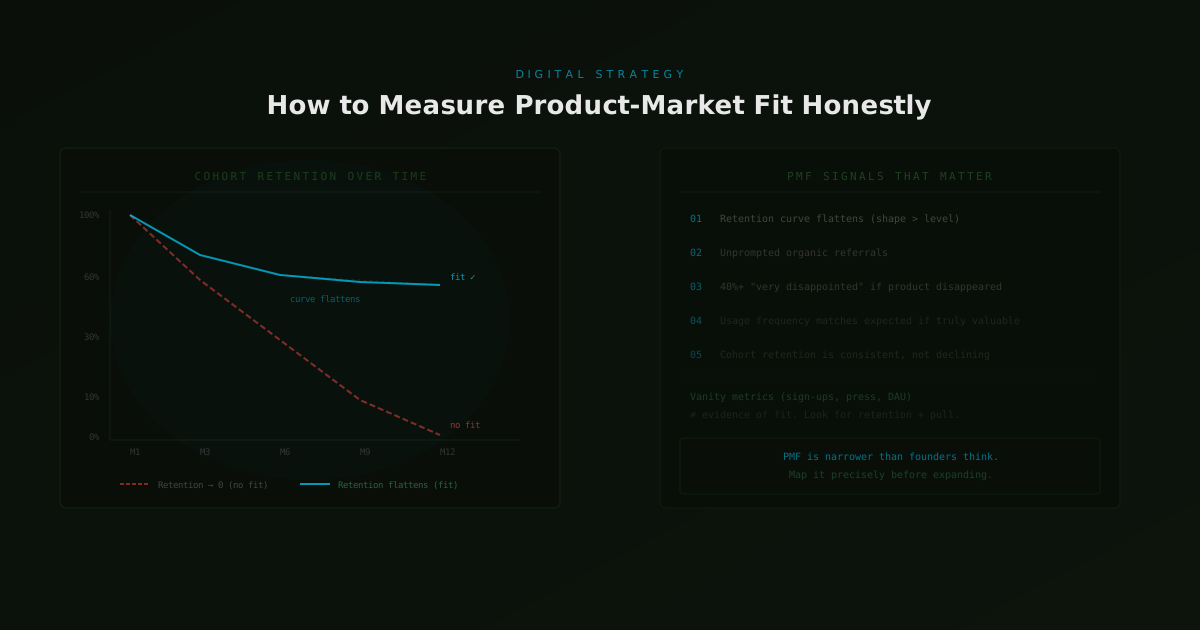
Product-market fit is real — but most teams don't know when they have it. Here's how to look past vanity signals and measure it honestly.
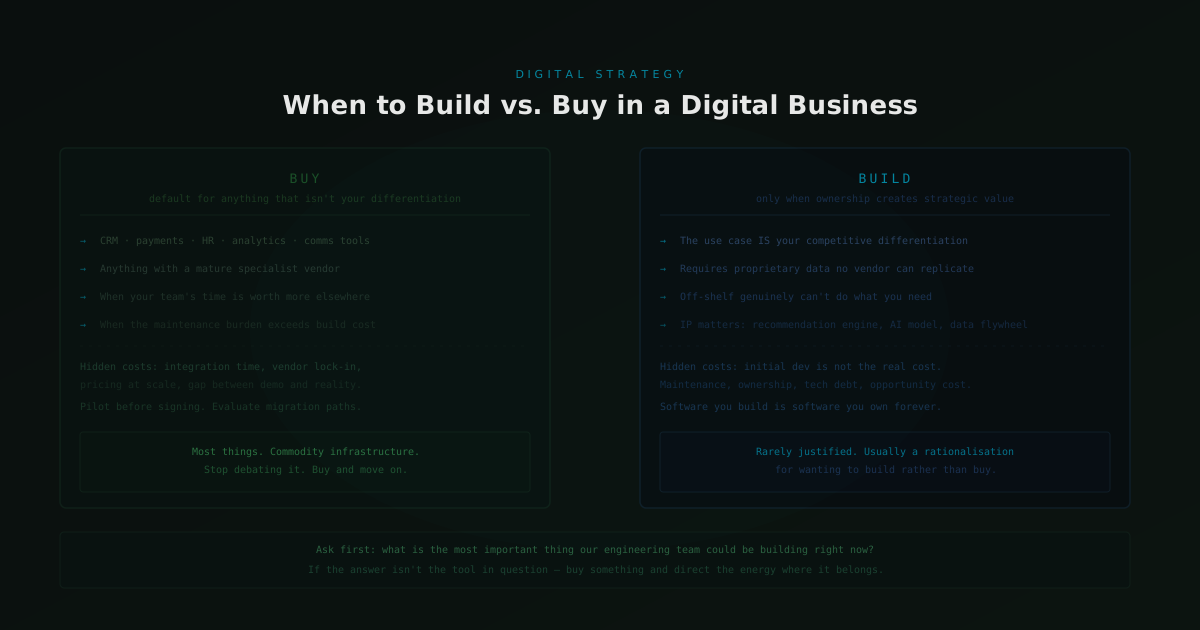
The build vs. buy decision is never just technical. It's strategic. Here's how to make it without regretting it six months later.
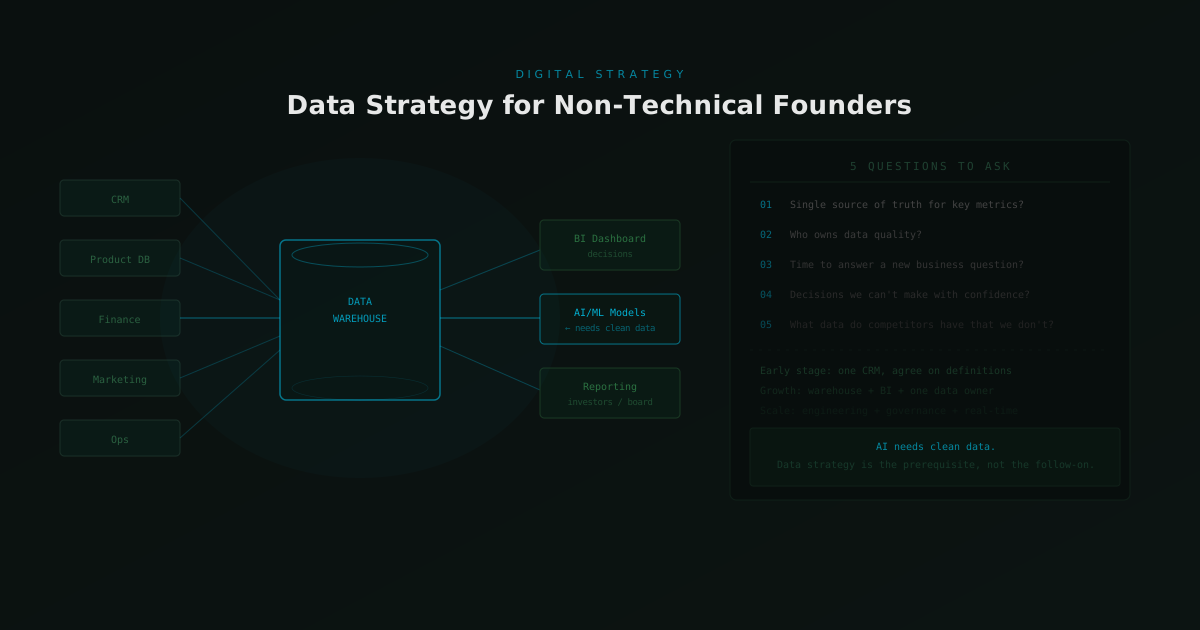
You don't need to be technical to make good decisions about data. You just need to ask the right questions and avoid the most expensive mistakes.

Roadmaps feel like planning. They're usually something else. Here's why most product roadmaps fail to reflect reality — and what to do instead.
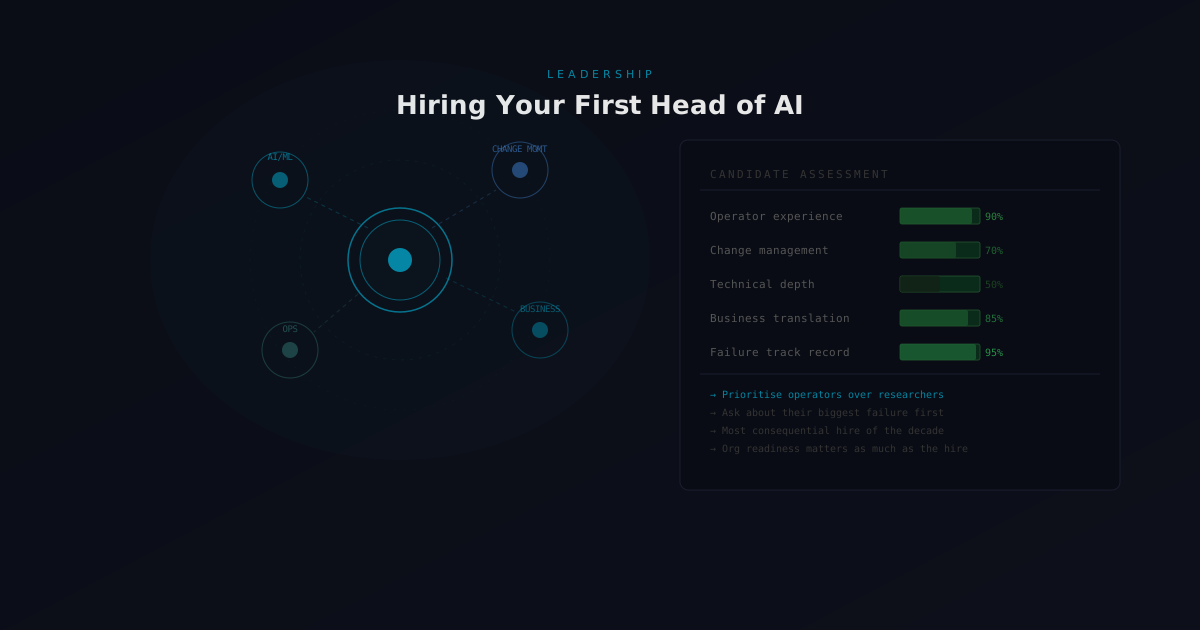
Most companies hiring for AI leadership are asking the wrong questions. Here's what the role actually requires — and how to find someone who can do it.
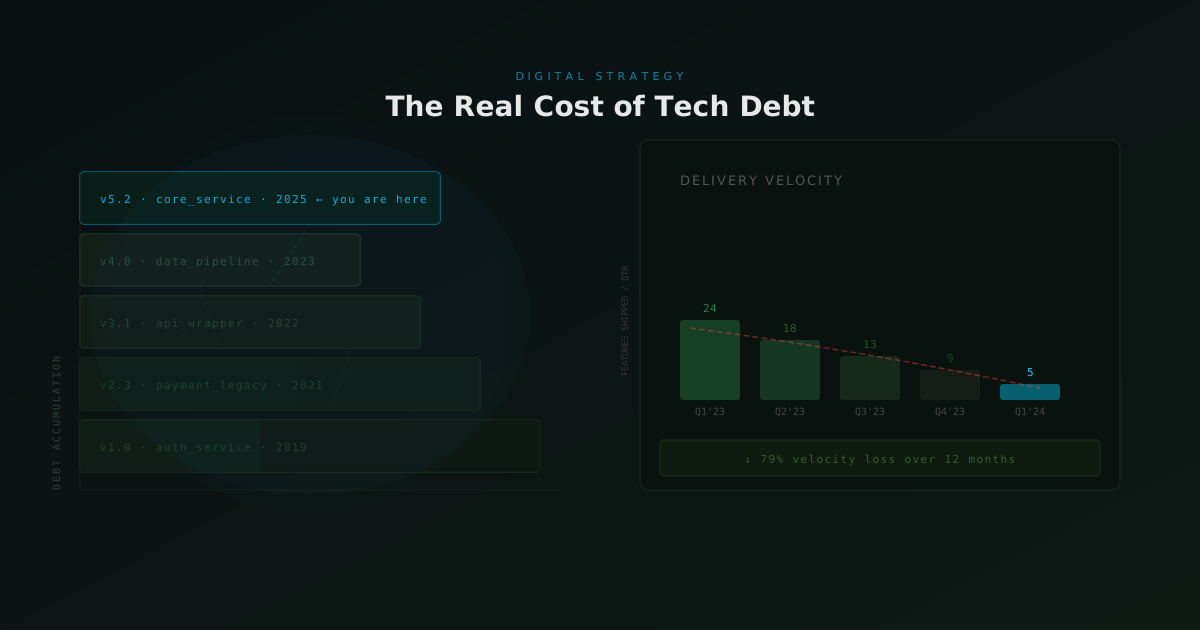
Tech debt isn't just a developer problem. It's a leadership and growth problem. Here's how it actually slows businesses down — and what to do about it.
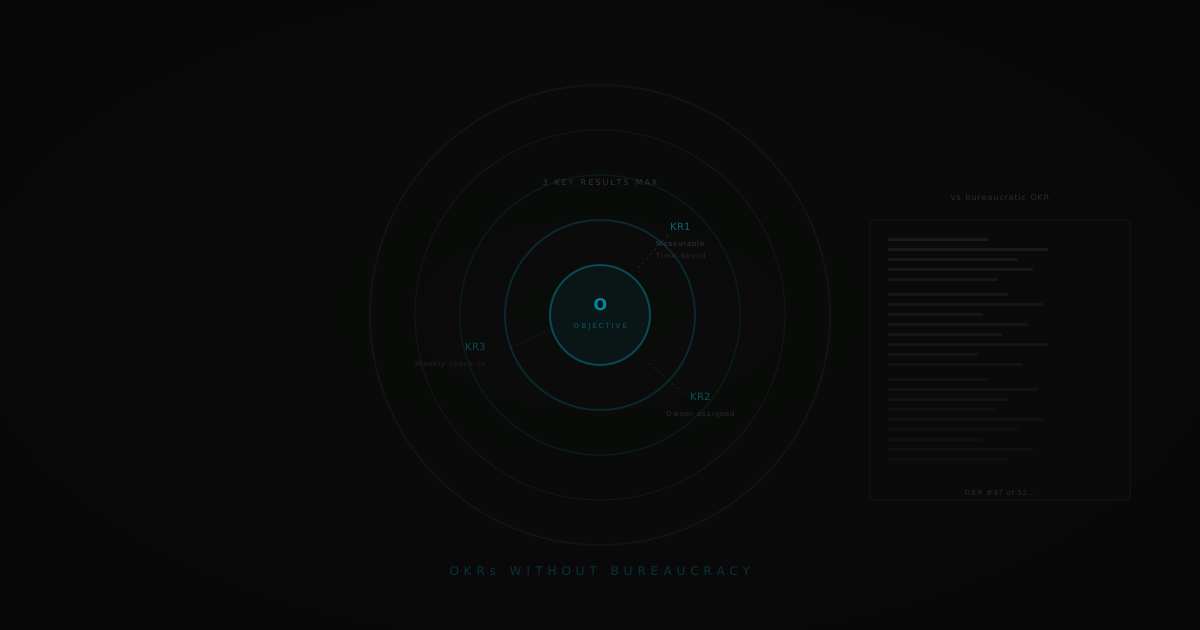
OKRs work. The way most companies implement them doesn't. Here's how to get the focus and alignment without the overhead.
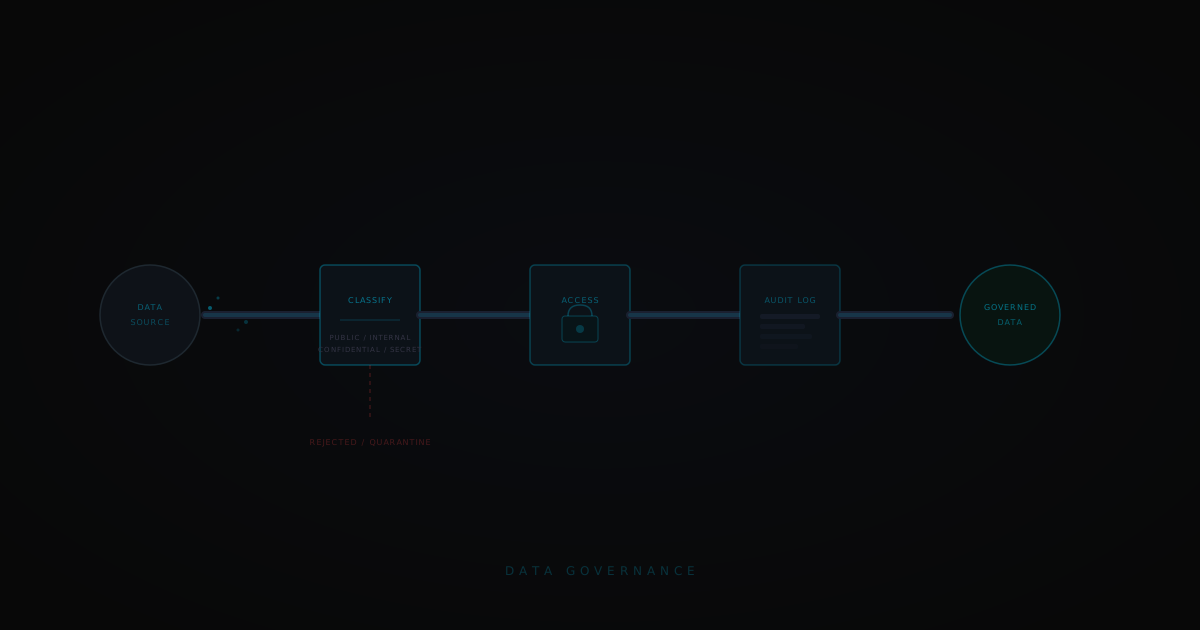
Data governance has a reputation as compliance theatre. Done properly, it's the operating system for making data reliable and usable at scale.
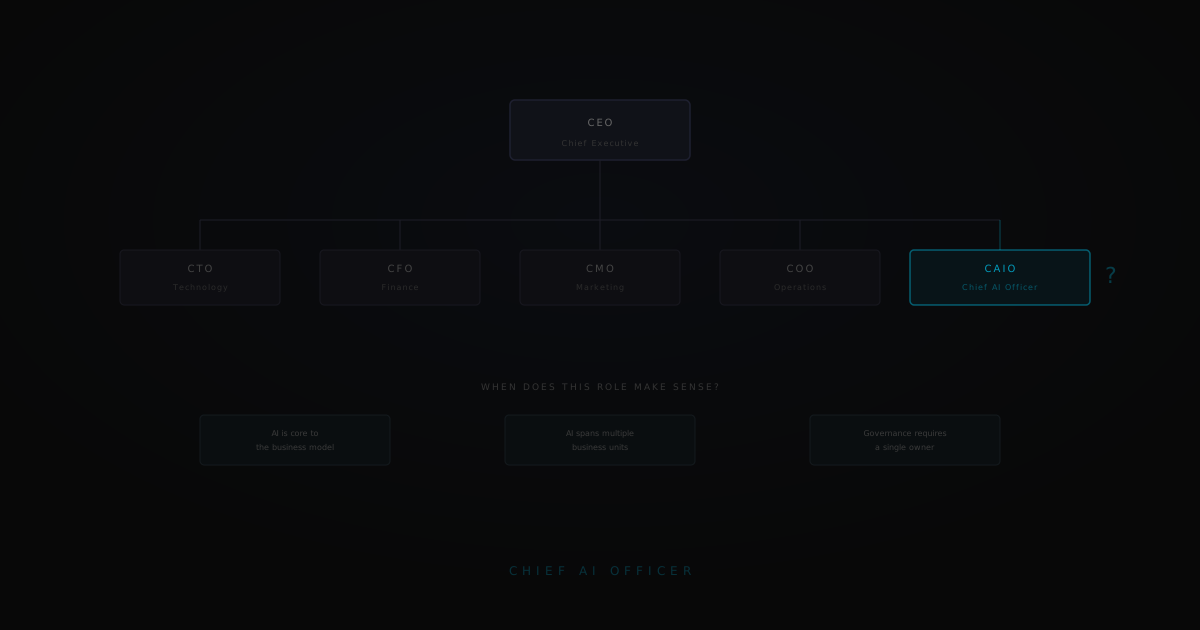
The CAIO title is spreading fast. But creating the role doesn't solve the problem — it relocates it. Here's how to think about it.

Most technology projects are built by one team and handed to another. Most of them fail in that gap. Here's how to close it.
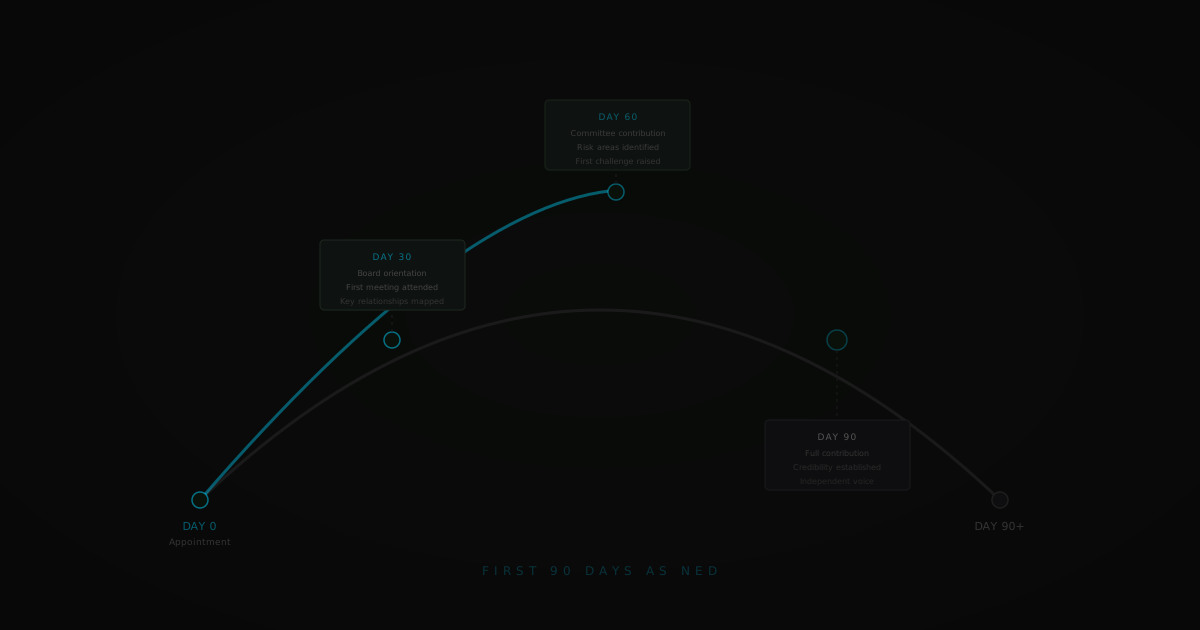
The most common mistake new NEDs make is contributing too quickly. Here's how to use the first 90 days to earn the right to have impact.
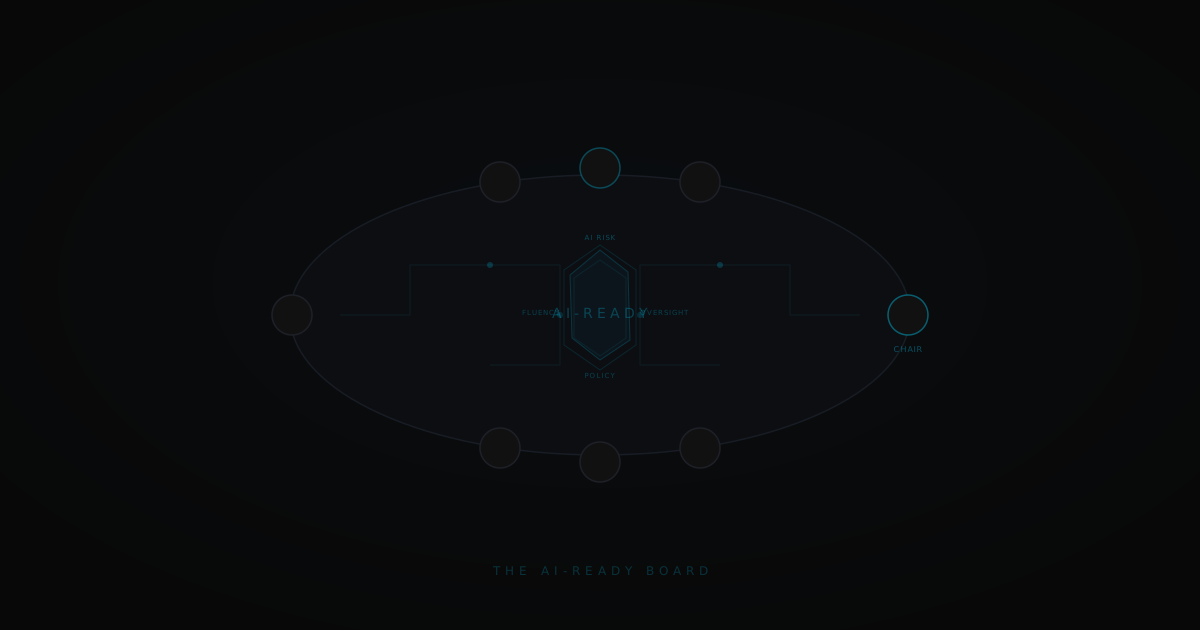
Most boards aren't equipped to govern AI effectively. Here's what AI fluency means at board level and how to build it.

Most teams measure everything and act on nothing. Here's how to tell a KPI from a metric — and why getting it right changes everything.
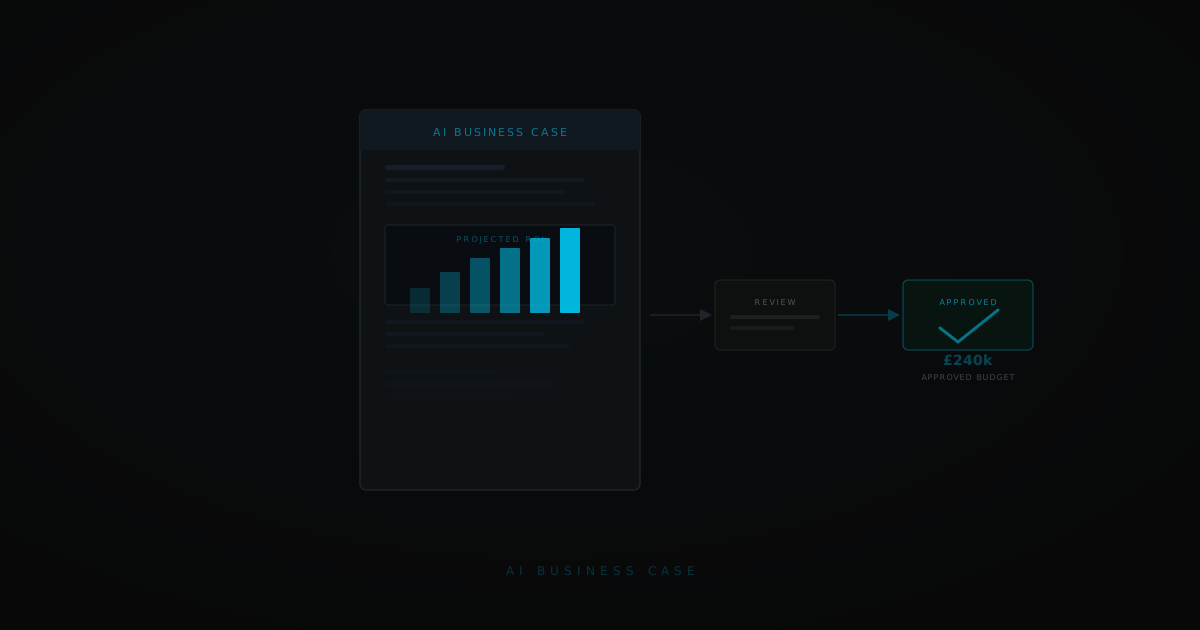
Most AI business cases get rejected not because the idea is bad but because the case is framed wrong. Here's how to frame it right.
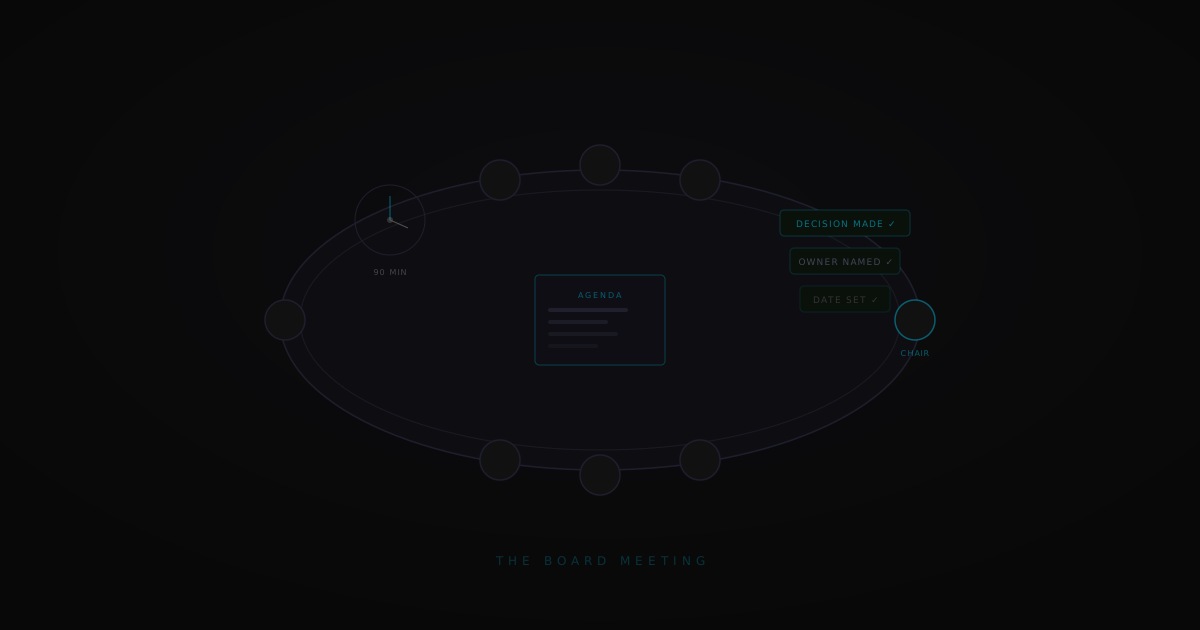
Most board meetings are status updates with governance theatre. Here's how to structure one where the right decisions actually get made.

Digital-first isn't about having more software. It's about designing processes where the digital layer drives the outcome — not just records it.
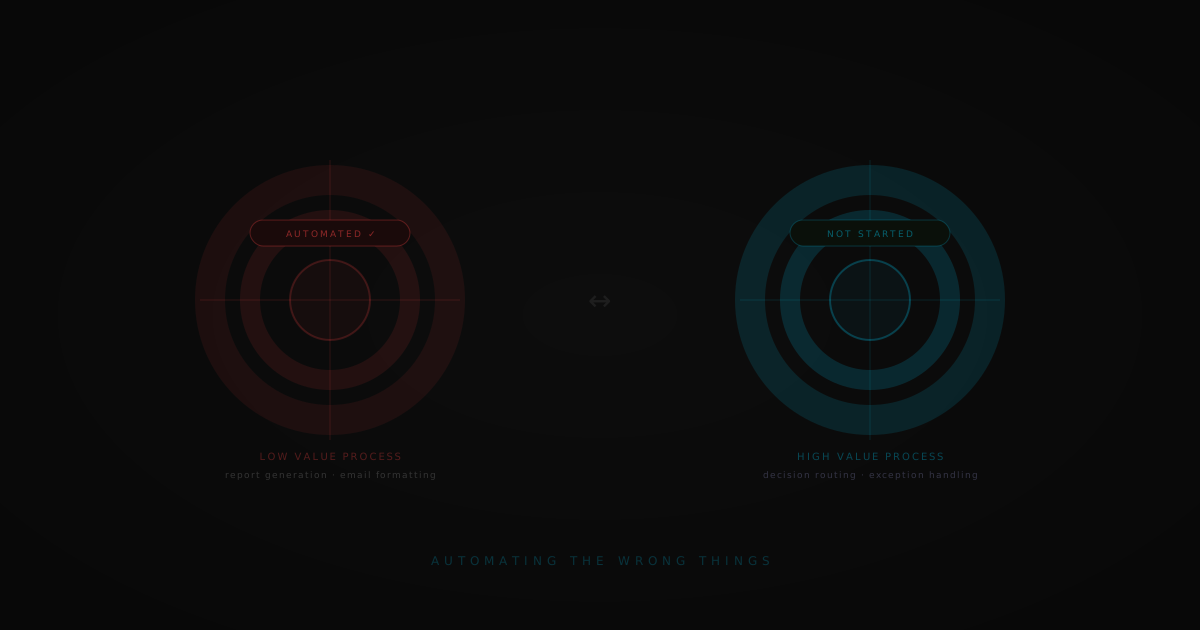
The visible, easy processes get automated. The high-value decisions stay manual. Here's how to find what's actually worth automating.
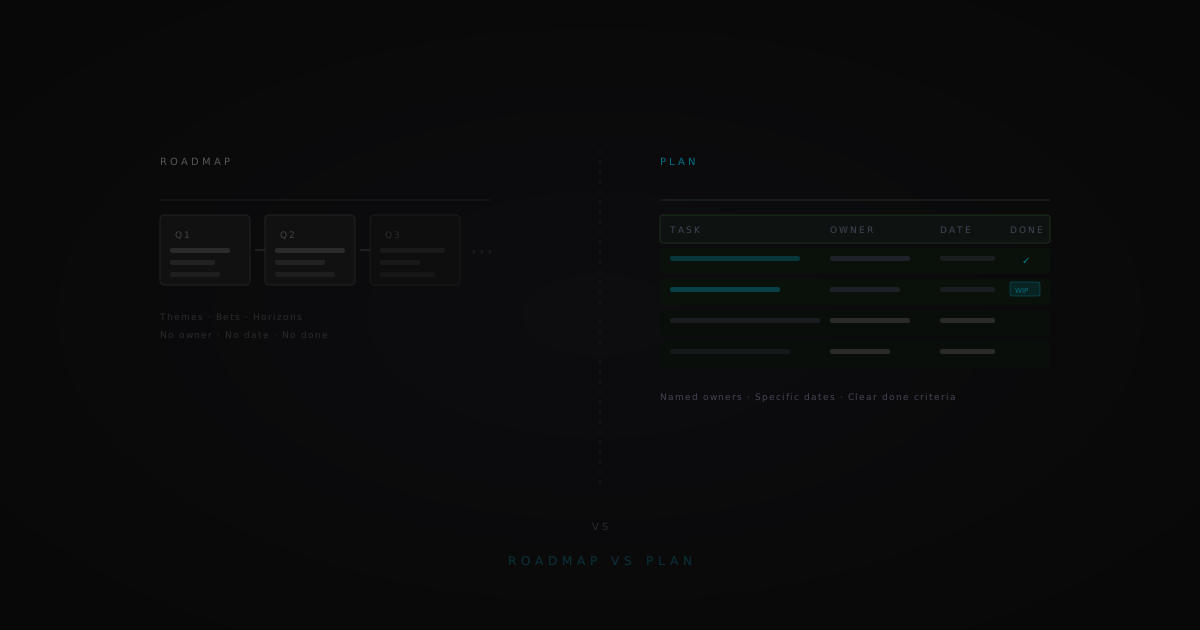
Most teams have one and call it the other. Here's the difference — and why confusing them creates a very specific kind of chaos.
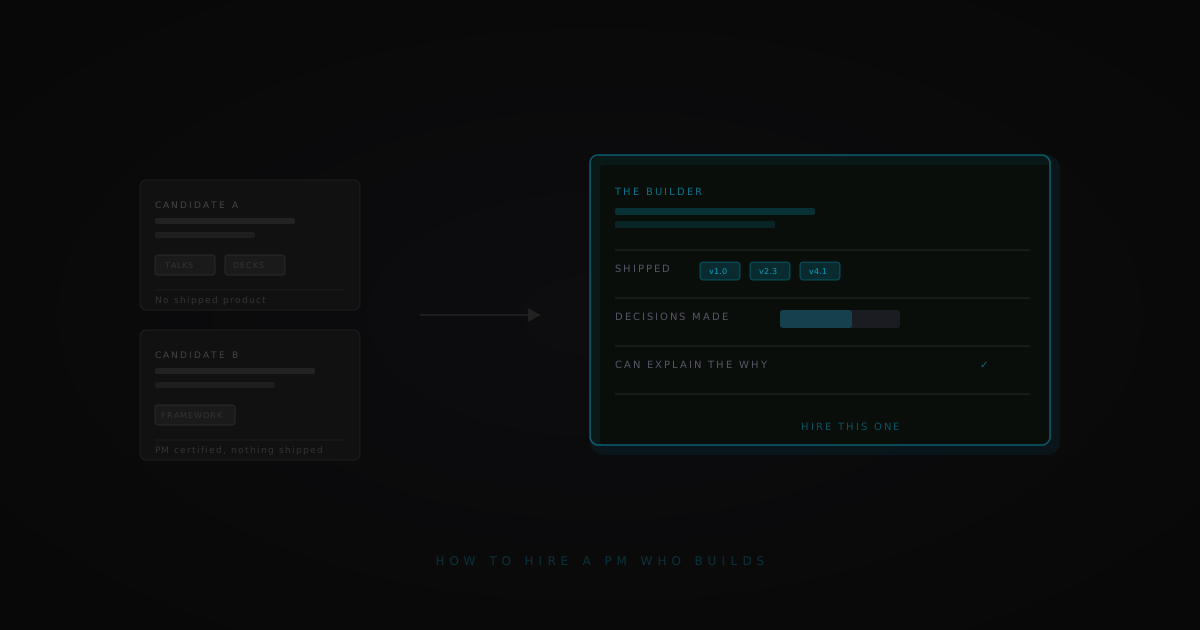
Most PM hiring processes select for people who present well, not people who ship. Here's how to tell the difference.
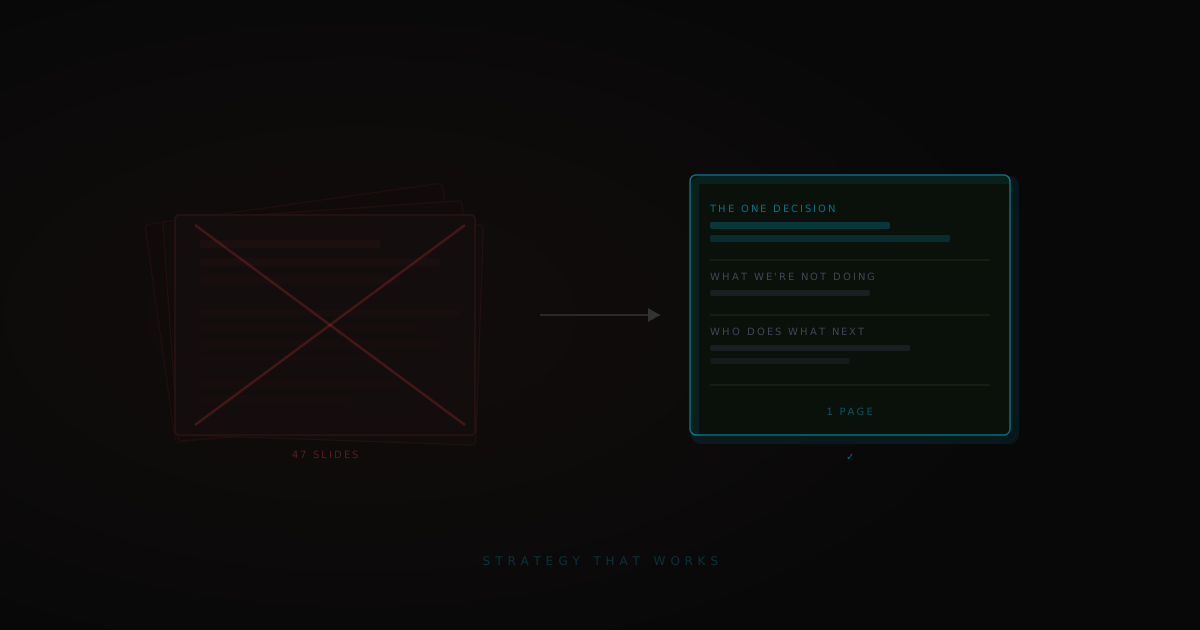
The same sins keep appearing. Here's what bad strategy looks like — and what good strategy looks like instead.
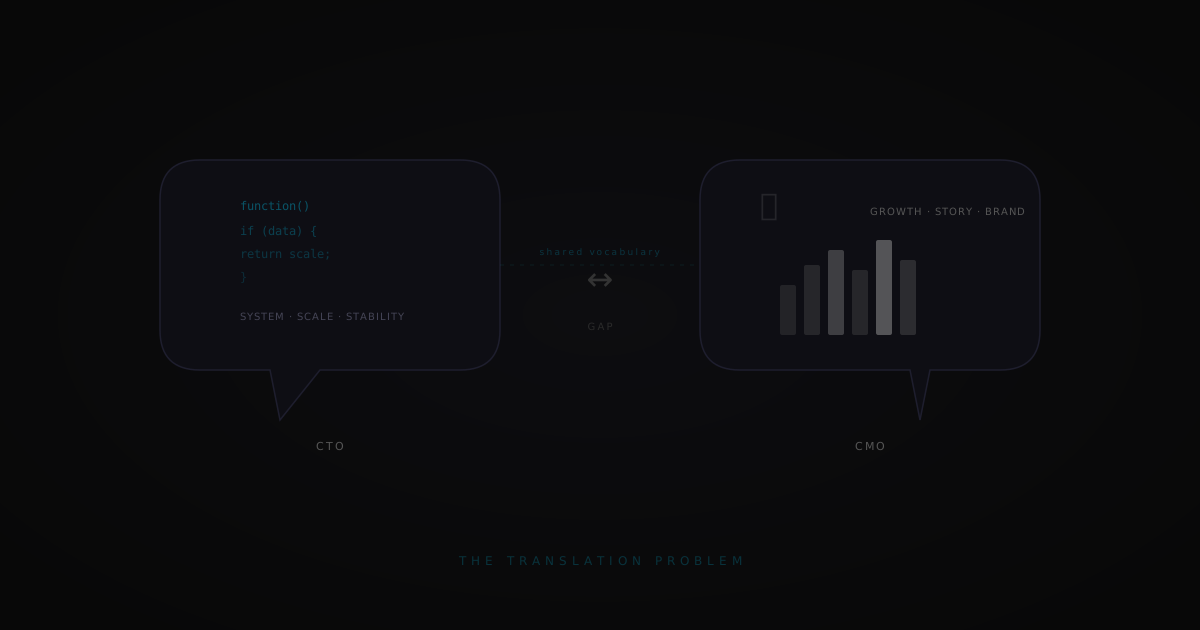
The translation gap between technology and commercial leadership is where roadmaps stall and AI projects die in committee.
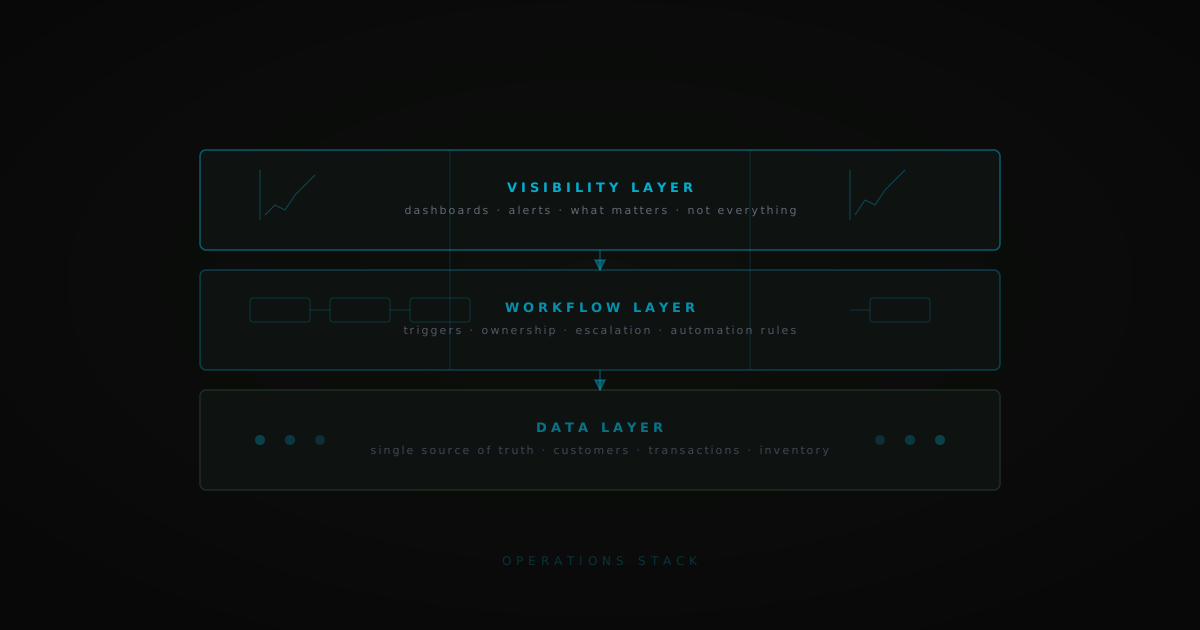
Most digital businesses have 15 disconnected tools and call it an ops stack. Here's what a real connected stack looks like.
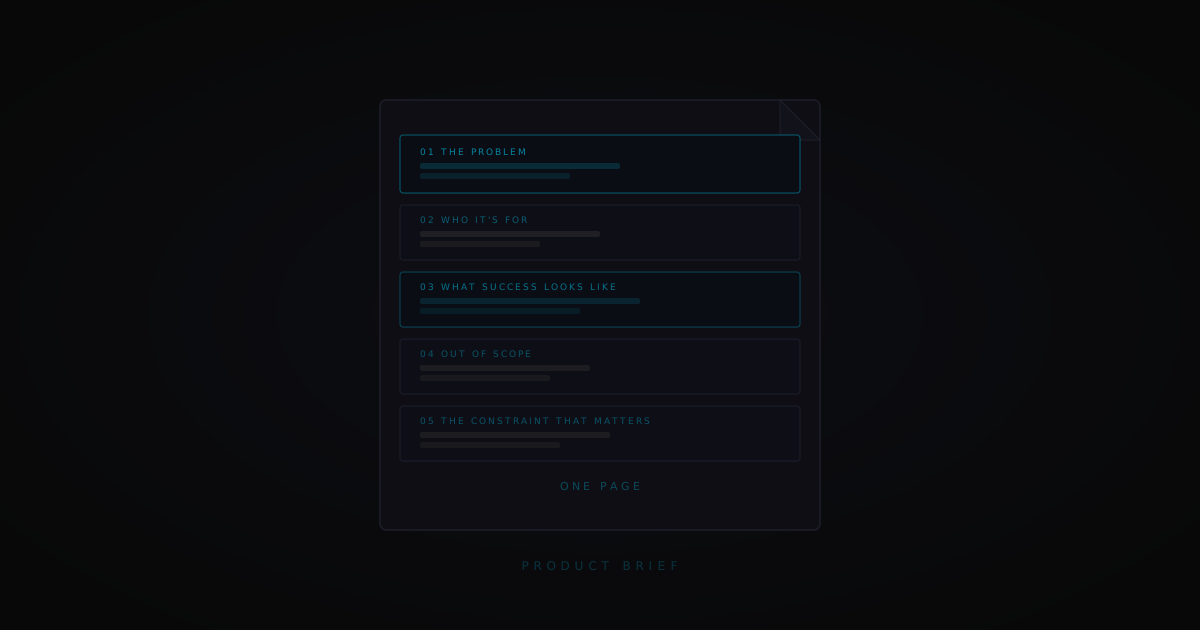
A product brief isn't a spec doc. It's a contract between what the business needs and what the team is about to build.
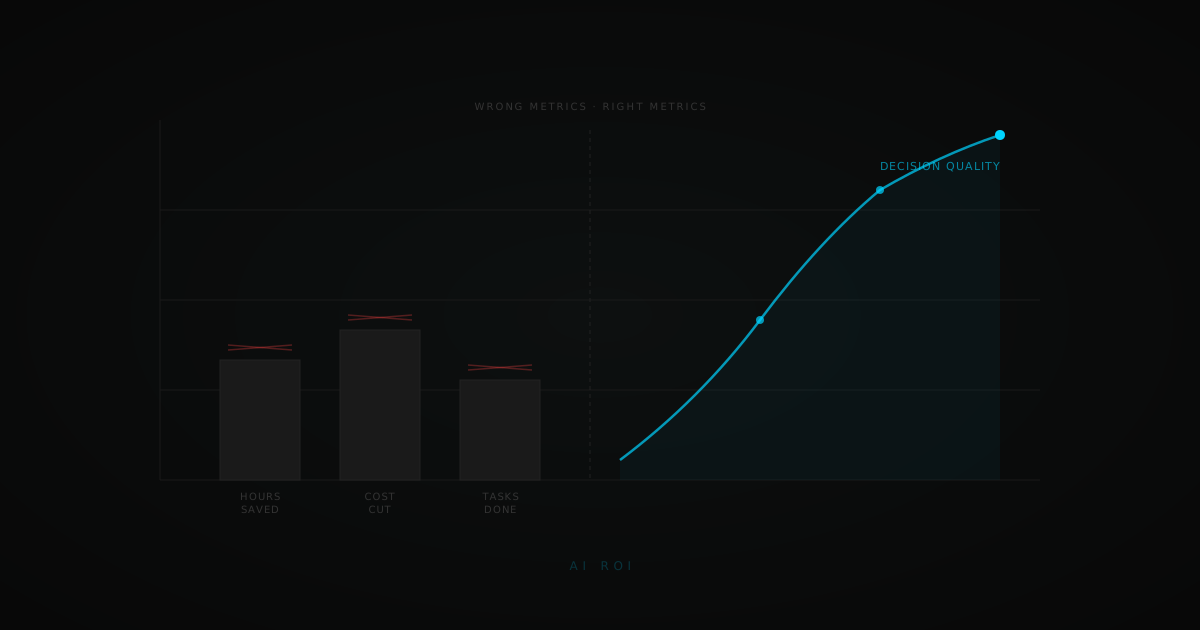
Most AI ROI frameworks measure the wrong things. Here's a better way to think about value that actually holds up inside a business.

Agentic AI doesn't just answer questions — it takes actions, runs sequences, and operates autonomously. Here's what leaders need to understand.
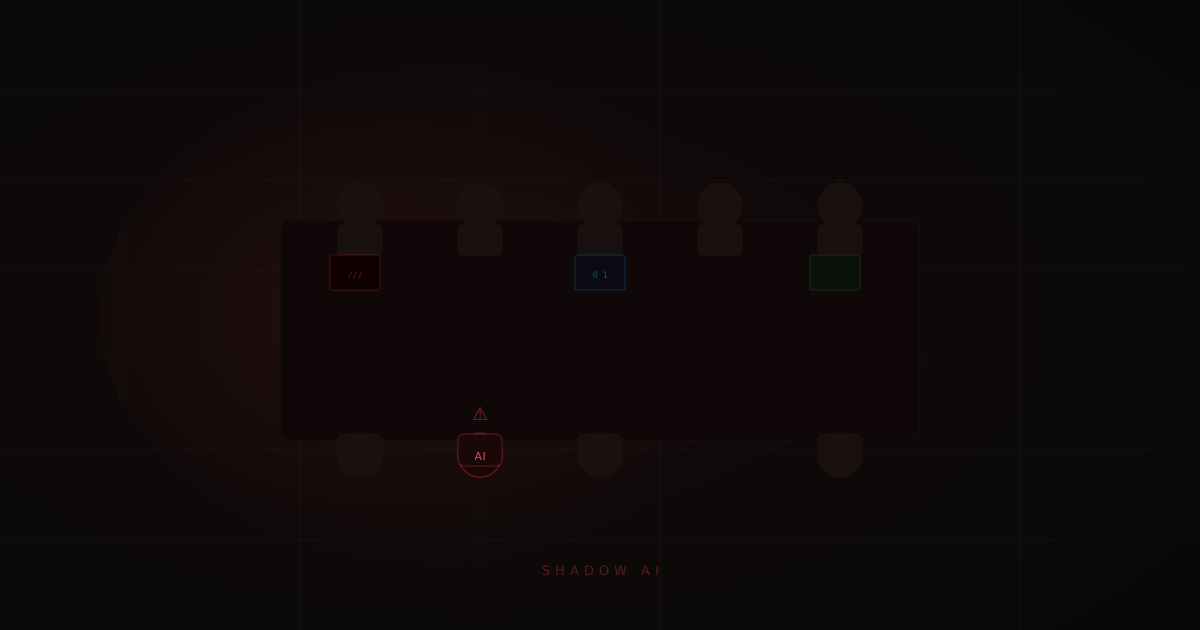
Shadow AI is already inside your organisation. Here's what boards need to understand about the risk, and what a proportionate response looks like.

Most digital transformations fail not because of technology but because of three leadership failures that appear across almost every case.

Confusing these two terms leads to the wrong investments. Here's a clear, practical breakdown — and how to use both effectively.

Fractional leadership is one of the most useful tools available to growing businesses. Here's what it actually means and when it makes sense.
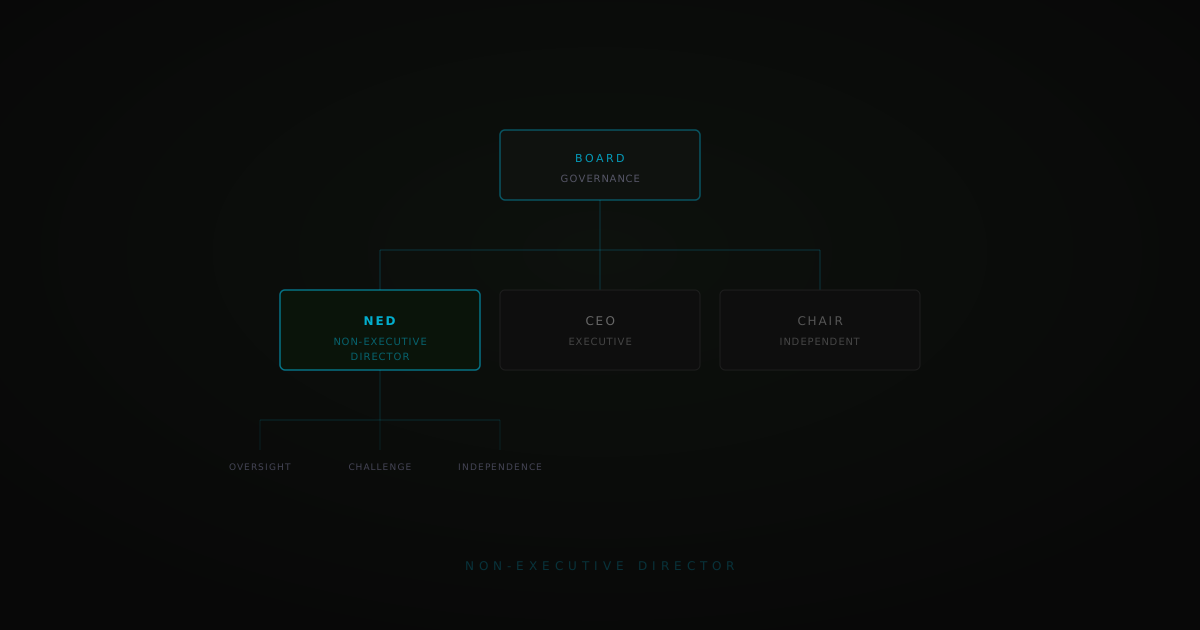
NEDs sit on boards without running the business. But the right one adds far more than governance. Here's a clear guide to the role.

AI fluency isn't about writing code. It's the ability to evaluate AI claims, ask the right questions, and lead teams through AI-enabled change.
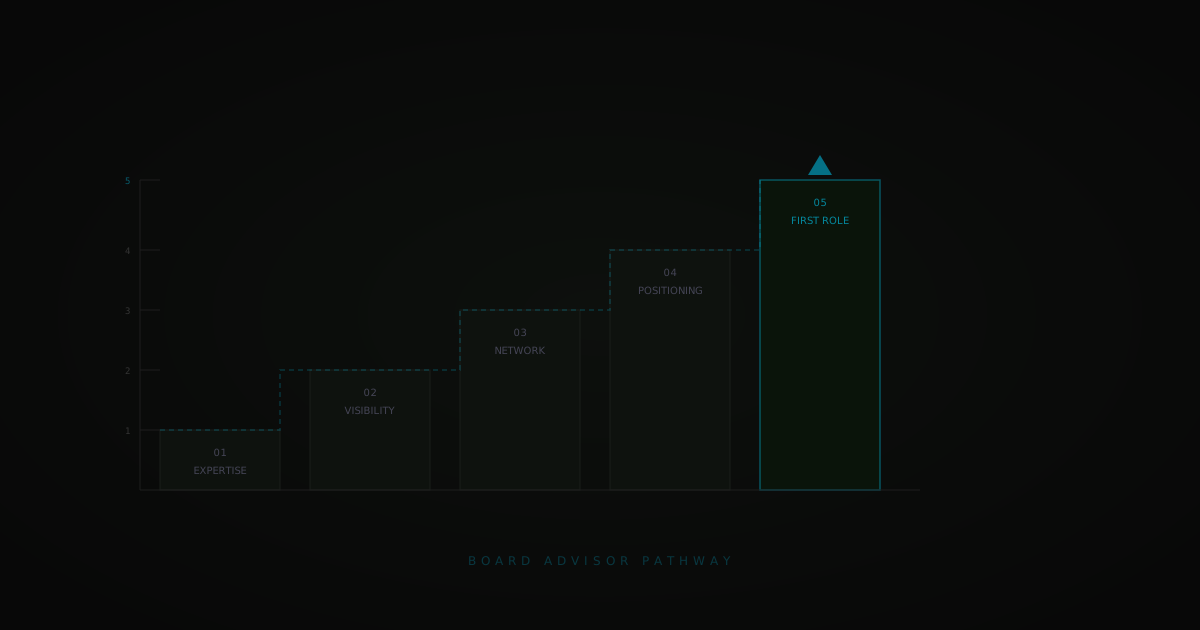
Most board roles are never advertised. Here's how experienced operators actually navigate the transition — and position themselves to be found.
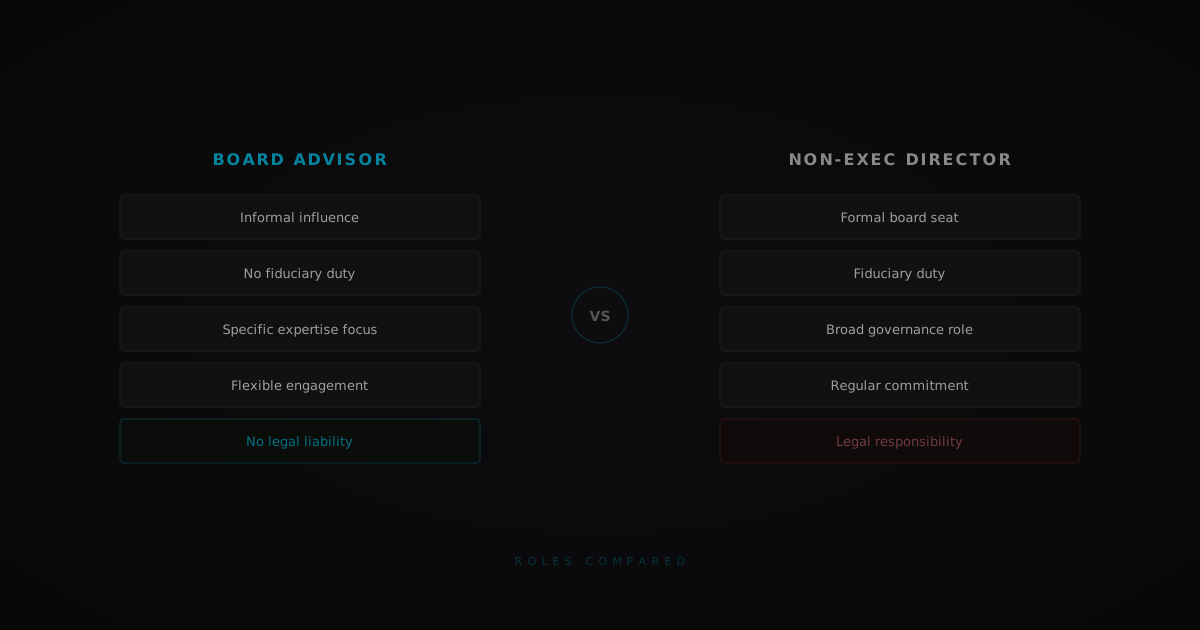
The differences in legal responsibility, time commitment, and compensation are significant enough to matter — whether you're hiring or pursuing the role yourself.

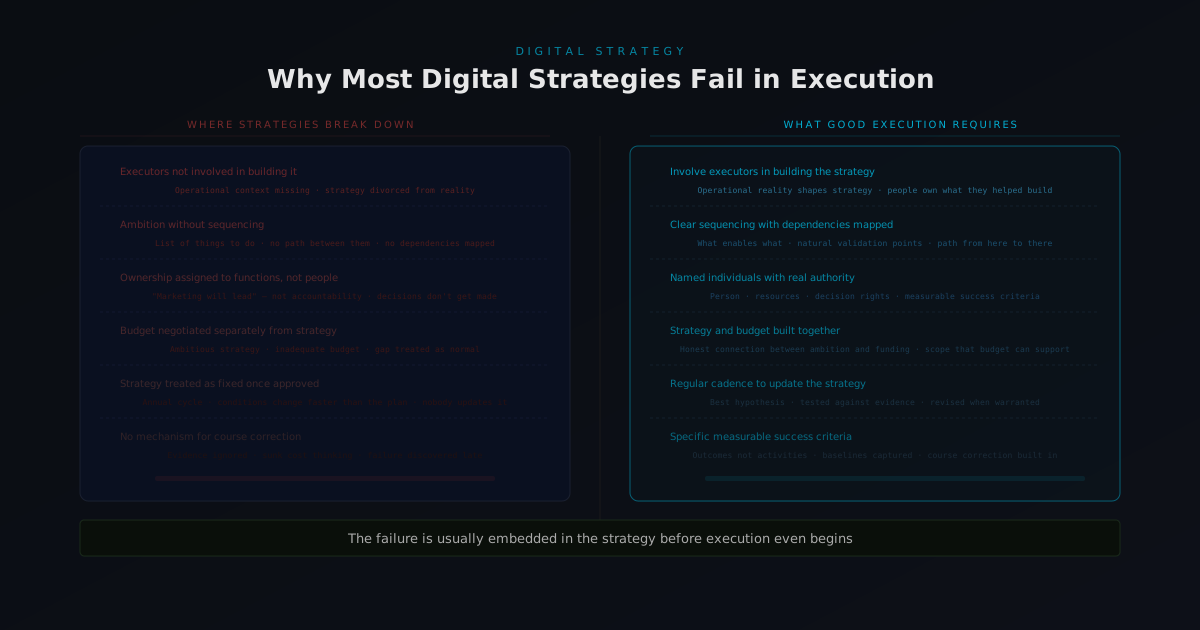
Most organisations think they have a digital strategy. What they actually have is a list of technology projects.
AI adoption, digital strategy, and what actually changes organisations. No fluff.